How To Rank Your YouTube Videos – 5 Steps To Get Started

YouTube is a powerful marketing platform that helps to enhance your business and brand. Over 6 billion hours of YouTube video viewed per month. Also, YouTube is the second largest website in the world. One-third of the internet audience spends much time on YouTube.

YouTube marketing is the main key to getting videos ranked on both YouTube and Google search. It makes an automated flow to find the people with your videos, which is related to your business.

In this guide, we will discuss the importance of Youtube ranking with the help of 8 tips. Once you have followed these steps, it helps you get more likes and views by ranking your YouTube videos higher on Google and YouTube.

STEP 1: YOUTUBE VIDEO NAME

Naming is an identical factor in the marketing process. Most marketers made a mistake with improper naming for your videos. This naming structure will happen in two places.

  • Raw video file
  • Video title

YouTube has the algorithm for the raw video file, which helps to find the content. If you’re not familiar with raw video titles, this guide helps to work on it.

Below are the tips to optimize the raw video title:

  • Right-click on your YouTube video and choose “Get Info”.
  • Include tags which are related to your video’s and synonym keywords.
  • Give a name the file based on your main keywords
  • Use some comments about your YouTube video.

Once you upload your file on the YouTube channel, it will automatically throughout the raw file name.

The video title should be less than 60 characters. Use keywords at the beginning of the title. Also, it must be short and descriptive and easily attracted by the audience. Don’t forget to add the keywords to your title. It helps to be an essential part of the ranking progress.

STEP 2: VIDEO LENGTH

The YouTube algorithm is based on the views when YouTube was first launched. Once you get the most views for your video and it gets a high rank. But two years ago, YouTube changed its terms and conditions. They have counted your views, but at the same time, they do conjunction with engagement metrics.

The engagement metrics are,

  • Number of seconds viewed
  • Comments
  • Social shares and Likes

These additional metrics help to cut out the false clicks from the million click farms. At this moment, it can neglect a lot of videos with less focus content. It’s better to make rich content that drives user engagement. YouTube doesn’t have any guidelines regarding video length. Any user can upload extreme video length, but we suggest creating your video at least 60 seconds.

There are two main reasons:

  1. Your video length is longer, which means you can engage your viewers. Therefore, having your videos will add more seconds to your count and increase your watch time.
  2. In YouTube policy, short videos consider the spam your videos; So, avoid making length videos. It helps boost your video and enhance your YouTube likes & subscribers.

STEP 3: VIDEO TITLE & DESCRIPTION:

The audience first lands on your page; they can see the title. Your video title should be related to your video and descriptive. The length of the title is 55-60 characters. Use keywords at the beginning or mid of the title, which improves your chance for ranking higher in YouTube search.

Many YouTubers forget this section; the most important section is a video description. Basically, you can describe your video with the help of the keywords. Also, you can add the link to your website. A new member lands on your page, they first read the description part and click the link. Your video views are great, but YouTube is merely a means to something larger. Your videos should encourage your audience to take action. That action should be clicked on your website where you can finish the marketing process.

Here are some tips for creating a video description:

  • Create a unique style! Don’t copy the content from competitors and your previous videos. Each video is different and should be treated. Write a unique description for each video.
  • The character’s length of the description section is to be 5000. Use 2-3 keywords in part.
  • Avoid placing the same keywords twice. You’re stuffing the same keywords, and there is a chance of going spam.
  • Use synonyms of the keywords in your description. For Instance, your keyword is – how to rank on YouTube videos, how to rank on YouTube videos in Google-like.

STEP 4: MAKE A PLAYLIST

Make a playlist for your YouTube channel that helps your viewers easily find your videos. It is the easiest way to segregate your content and share it with others. You can create playlists for saving the multipurpose channel.

You can make a playlist with the help of keywords. Whatever you can split that music videos, news, funny videos, and entertainment videos. It is simple to add, edit, and delete from the YouTube playlist. You will drop your videos to change the order, change the priority, and rename the playlist.

Here are the steps on how to make a playlist:

  • Start to watch the video before you can add the playlist.
  • Save the video first, and create a “New Playlist.”
  • Give the name of the playlist and select the private or public.
  • Once created a playlist, add your favorite video and again save it.
  • After that, you have to check whether the videos are added or not. Note it – add more videos to your playlist at a time.

The playlist section is placed on the left-hand column of your YouTube homepage.

STEP 5: CUSTOMIZED THUMBNAIL

YouTube offers to choose the image that suits your YouTube videos—adding a thumbnail of your videos to make the best impression for your viewers. I suggest placing a thumbnail that tells the viewers what your video is about and why they click on it.

If you want to boost your subscribers, you have to use a proper thumbnail to your videos. It is the heart of YouTube videos. Also, you can easily include the custom thumbnail and upload it.

Here are the few tips to before uploading the content:

  • The thumbnail image size should be 1280 x 720
  • Images must be .JPG, .PNG, .GIF or .BMP
  • Under 2 MB
  • Use attractive colors like Yellow, Red & Green, and use stylish fonts.

FINAL THOUGHT:

YouTube is a robust platform when you have used it correctly. YouTube Video marketing is developing, and many marketers want to promote their product in the channel. Creating unique content and standing out the right people at the right time is important for success. Don’t forget to add the above steps to your videos and start ranking in Google & YouTube searches.

Author Bio

Victoria Daniel is a social media expert and writer who is working in PixelGroovy. She is a regular contributor to well established IOT blogs and she has been into Internet marketing for two years.

Why Business Longevity Matters (and How to Market It)

The longer you’ve been in the business, the better known your brand becomes. People often look to see if you’re established and likely to remain operating for the foreseeable future. While longevity is never a promise of success, business owners who’ve already weathered a few storms are more likely to know some tricks to getting through new ones.

According to the Bureau of Labor Statistics, a mere 50% of businesses in the United States survive the five-year mark. About a third make it to 10 years and beyond. If you’re one of the lucky few to survive the first decade in business, you’ll have a much better chance of long-term success.

There are a lot of advantages to being around for decades and very few disadvantages. Here are some reasons why business longevity matters and how you can market your endurance.

1. Build Loyal Fans

Businesses that make it through economic downturns and tough times tend to have an army of devoted fans who talk them up to everyone they know. You essentially have a street team of influencers who let others know how great your product or service is.

Word-of-mouth marketing is one of the most powerful forms of marketing you could hope for. You don’t have to do anything but make sure your current customers love you and know you appreciate them. Asking them to share what you do with others requires a simple email or message, and many will be happy to help.

The North Face has an entire team of athletes who serve as brand ambassadors. They manage teams of climbers and other rugged outdoor sports enthusiasts. Because they are in the throes of whatever sport they represent, their recommendations hold a lot of clout. Their athlete representatives use their products out in the field and can speak to the specifications others in the sport need to know about.

2. Promote Usability

When you’re in business for a long period of time, you learn what your customers need and how to make your site and products usable and reliable. When marketing your longevity, point out that you’ve made mistakes, rectified them and know how to create a quality product you stand behind.

You may have made mistakes along the way, but as long as you learn from them and continuously improve your product and service, you’ll gain traction.

3. Highlight Your Experience

When you’ve been in business for decades, you have a pretty good idea of what your clients need. Explain how long you’ve been around and why other companies trust you to get the job done. You can even highlight some testimonials from customers who’ve stayed with you for years. They can probably explain better than anyone why they choose to remain with your company year after year.

Louisiana CAT highlights their more than 80 years in the industry. They point out that they’re a trusted partner and know the equipment inside and out, as well as what clients need. For someone new to the industry or looking for an experienced equipment provider, the reassurance of their knowledge is helpful.

4. Present a Clear Vision

When your focus is on staying in business for the long haul, you have to develop a clear vision of where you’re headed. Perhaps your goal is to build a company that will be around for your grandchildren to inherit. What do you want that brand to look like in 50 years and what do you need to do today to get to that point?

5. Develop a Specialty

When you’re in business for many years, it’s easier to develop something your brand is known for. You should have a special item that no competitor carries or that you’re known to be the best at making. Think about the needs of your customers and come up with an amazing solution. Devote an adequate number of hours to creating the absolute best product imaginable.

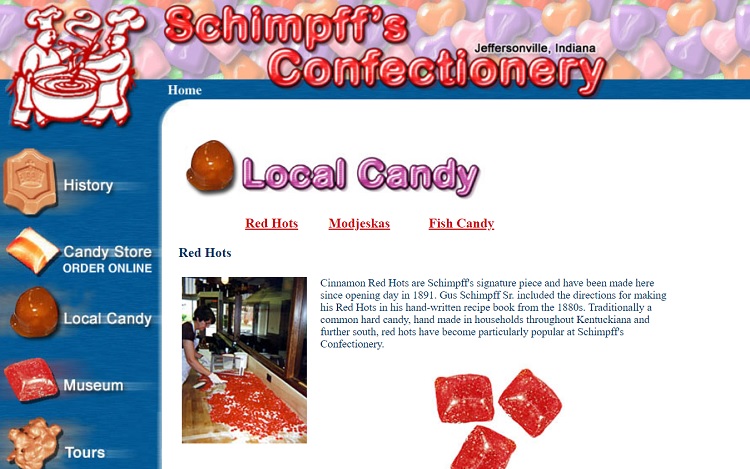
G.A. Schimpff’s Confectionery has been around since the 1800s. They are known for their Modjeskas and red hots. When you visit their store, they’re often in the process of creating one of the two types of candy and offer a free sample to people passing through. Being famous for particular types of candy helps them gain customers and orders.

6. Train Your Leaders

If you want your brand to have longevity, you must train tomorrow’s leaders. Successful companies have long-term company culture goals. Not only should you invest in current leaders, but also encourage them to build up the next generation of managers, passing down their knowledge along the way.

7. Know Your Audience

Marketing is a critical component of longevity. You must know who your customers are and what their pain points are. Once you understand the situations your users face, it’s much easier to provide insightful solutions. Dig into more than just the demographics of your clients. Get to know them on a psychological and emotional level, so you can market to them from their perspective.

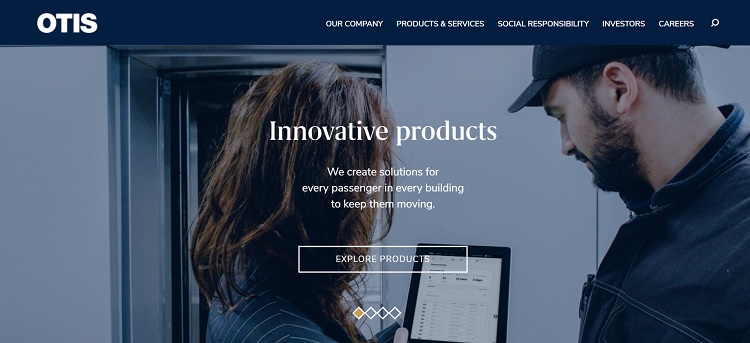
Otis Elevators has been around for about 160 years. Over time, the industry changed, and Otis has managed to change alongside it. They’ve kept pace with higher skyrises and new developments in sensor-driven data and smart features.

Marketing Strategies

Think about the advantages of being around for a long period of time. Talk up your experience in the industry and your ability to see what is a trend and what is something that will last. Know who your audience is and use your past challenges to overcome today’s. With a little marketing effort and a lot of hard work, your brand will outlast the others around you and you’ll be able to highlight why you’re the best of the best.

Lexie is a digital nomad and web designer. When she’s not traveling to various parts of the country, you can find her at the local flea markets or hiking with her goldendoodle. Check out her design blog, Design Roast, and connect with her on Twitter @lexieludesigner.

5 Ways to Build a Powerful Personal Brand as a Designer

Designers are artists. They use their creative energy to turn ideas into realization and share their special vision of things with the rest of the world. However, just like everyone else, designers need to make a living. That means that there needs to be an entrepreneurial side of them, helping them stand out and succeed as a professional. One of the basic things every designer should do is to create a powerful personal brand.

Your brand is the way you represent yourself to clients, customers, employees, and other designers. It tells them who you are, what you stand for and what you can do. It also allows you to climb the business ladder and grow as a professional.

Take a look at the 5 steps you need to take in order to build a personal brand as a designer.

  1. Define Yourself as a Designer

We may consider this step to be step zero actually. It is about knowing who you are and what you want to do.

Not every designer is the same and not every person is meant to do everything. Before thinking about building your personal brand, you need to be certain that you’ve found yourself and that you’ve developed a personal style.

That includes knowing:

  • what inspires you
  • what kind of designs you want to focus on
  • what you do best
  • what your style is

Only once you figure all these things out can you actually start thinking about branding your work and taking the next step.

So, how do you achieve this?

It takes self-exploration, time and experience to help you realize where you stand as a designer. The more you work, the faster you’ll figure it all out.

  1. Build Your Platforms

People need to know about you and your brand which means that you need a platform for sharing information with your customers. In other words, you need to give your brand a base.

There are two basic platforms you need to cover:

  1. website
  2. social media

Having a personal website is both practical and efficient. It gives you the chance to share:

  • your portfolio: all your best works in one place to help the customers get to know you as a designer
  • hiring information: if people want to contact you and hire you, you should make it available and simple via your website
  • your story: write about your beginnings and professional journey to help your customers understand who you are

Social media accounts give you a chance to bond with your customers even more personally:

  • write daily posts
  • interact with potential customers
  • gather an audience

In case you need help writing your website’s pages or social media posts, you can use proofreading and editing tools such as Grammarly or find reliable writing service.

Once you set up your platforms, you need to consider building a brand image. Take a look at the next step.

  1. Give Your Brand an Image

As a designer, you’ll have no trouble figuring out what you want your brand to “look like” and what kind of a personality you wish to give it.

It’s simple: you need to create a unique visual representation of your brand and be consistent in using it in every aspect of advertising and communication.

That implies:

  • brand colors
  • fonts
  • shapes
  • complexity

Try figuring out what your brand stands for and how to make it visible in your logo, website design, social media posts and everything else associated with it.

When you think about Coca-Cola, you’re thinking red, right? That’s what you want to achieve with your brand. Make it recognizable and unique and make sure to nurture the same style in all your marketing materials”.

Be consistent and you’ll ensure people recognize your brand without even reading it’s you.

  1. Share Your Vision

It’s always a great idea to bond with your audience on a more personal level. It evokes special kind of emotions with your customers and creates long-term relationships.

What you need to do in order to achieve that is to define your vision and the story behind your brand.

Your vision answers the following questions:

  • What is your aim as a designer?
  • What do you offer to each customer?
  • Why are you different and special?
  • What makes you the best choice a customer can make?

Define your strengths, skills, and values and make sure you emphasize them in your brand representation. Tell your customers what to expect from you and follow through on your promises”.

  1. Choose a Tone

When you put together your brand image, target audience, vision, ideas and platforms you use, you are ready to wrap the whole brand building story with one final choice: your voice.

This refers to the level of communication you want to be on with your customers and how you want them to perceive you.

Are you going to be:

  • strictly professional: “Dear Sir/Madam, thank you for contacting us. We’ll make sure to reply as soon as possible.
  • more laid back: “Thanks for messaging. We’ll try to reply ASAP.”

This tone of yours is the final touch to building your brand, and just like everything else, it needs to be consistent throughout your entire business journey.

If you find it all to be a bit too much for you, and you prefer focusing on designing and not branding or writing, you could hire an editor to help you make it all possible.

Final Thoughts

As a designer, you are aware of the importance of branding and representation. It’s what you do for a living. That’s why you have to realize you need to brand yourself and make sure the world knows who you are.

Use the advice we’ve given you and try establishing a strong and powerful personal brand as a designer. Think it through, define all your ideas and start working on building your brand.

Author’s bio. Daniela McVicker is a passionate digital marketer. Daniela is interested in everything related to SEO and blogging. She collaborates with Essayguard where she shares her experience and helps marketers make their names in the online world.

Conversational Forms Are Shifting the Design Mindset

Conversational user interface is the new and popular digital interface that changes the way users interact with their devices. It enables effective, natural, and customized customer interaction. Plus, it can uncover what users think, create a significant database, improves proficiency and accuracy. Conversational interfaces have taken the web design world by storm and have led to new trends, one of them being the development of conversational forms.

Although traditional web forms are still popular, conversational forms seem to have a bright future. From now on, companies that need web designers will also have to find those specialists that know how to design conversational web forms and build amazing user experience. Staying updated with the latest web design trends and requirements such as mobile app development and using a comprehensive hiring guide are tools that can help companies find the right candidates faster.

Customer support tickets turn into engaging and effective conversations

Directing users to a tutorial, to the knowledge base or asking them to submit support tickets has been replaced with chat interfaces. Users who are inspecting a product or a service may require clarification about certain features or benefits and may need supplemental help through chat. Providing that on the product page saves them from having to navigate elsewhere in order to contact a customer support specialist.

Through customized questions and a general proactive approach, users get quick answers that solve their problems. It creates room for rapid, delightful and helpful customer interactions that improve user experience. Users are not treated anymore like ticket numbers as chat interfaces facilitate conversations between people who need solutions and the people who can help them. Instead of having information spread over multiple pages, users are funneled through conversational forms that provide only the details they need at a particular step.

Deeper personal connections through a customized user experience

Almost anything can be personalized from tone, gender, to the pace of speech. Conversational experiences need to be personal, high-quality, and to empathize with users. Interacting with conversational forms the way users would do with their friends is essential for engagement and retention. As an effect, users start to perceive devices as less than a machine, but more as a friend.

They provide more personalized answers through a conversational form, and at the same time, they receive customized answers that help them solve their problems faster. The below form by Codepunker has a customized submit button in order to look and feel like a natural conversation. Thus, its submit button copy says Where should I begin? instead of displaying a more general and dull message such as Submit.

No need for separate spam prevention measures

When using conversational forms, there is no need to have separate spam prevention measures such as CAPTCHA. Since users are able to take particular actions and be part of conversational interactions, this it’s proof of their humanity, so there is no need for CAPTCHA anymore.

Segment users quickly and provide a better user experience

Conditional sequences enable data collection and turn it into a valuable way to segment users. User segmentation helps UX designers understand the needs and the typical online behaviors of specific groups of people. As a result, web designers understand what best supports users’ needs and create relevant experiences and products for specific user segments to solve their problems. They will be able to provide guidance for users and let them know where they are on the website and what is expected of them.

Aside from conditional sequences, there is also the possibility to include specific calls to action based on users’ answers. Conversational forms guide users through everything they need to help them achieve their goals. Below, you can see an example of a search engine results form based on conditional logic –  the output changes depending on what the user selects from several options.

Conversational forms decrease friction between users and screens

As one of the goals of web designers is to decrease the friction between visitors and screens, conversational forms will be the tool that does that. Low friction questions such as “What’s your name?” or “What’s your goal?”, image selector buttons to reduce typing, predictive questions, buttons offering specific answers targeted to the user, conditional logic to customize the questions on later steps, or closed intents are all elements that help decrease friction for users.

Building conversational forms is a huge shift in the way web designers think about and adapt to a new type of interface, which seems to become more and more popular. Perhaps the challenge for web designers will be to adapt to this new major change and start improving their skills when creating these interactive and modern web forms. The future of conversational forms is bright and it will be a time for more meaningful and pleasant interactions using the new technology, but it depends on how web designers decide to shape it.

Author bio:

Romy Toma-Catauta works in the marketing field and is passionate about writing on remote work, business, interior design, and psychology.

How to Use Social Media to Market Your Small Business

Social media has grown over the years and earned its place in the business world. Many businesses have realized how lucrative various social media platforms are and are now using them to connect with people who love their brands. People are spending several hours every day on their phones. And no! They are not playing mobile games or calling their friends. If they are not playing their favorite slots and claiming their free 10 euro bonus, they’re on social media viewing all kinds of posts.

Any business person understands one or two things on why social media is essential for business. So, when your small business decides to take its marketing tactics on these platforms, it should know that an audience is already waiting. But how do you get this audience to notice your business and interact with your brand? Here are tips on how to do that.

Choose a Perfect Platform for Your Business

One way to successful social media business marketing is to understand the platform that will work for you. There are so many social media platforms, including Facebook, Twitter, Instagram, LinkedIn, YouTube, Snapchat, etc. While all these platforms have so many people using them, not all of them will work for your business.

You need to know where most of your target customers are hanging out. However, it’s not easy to understand where your target audience spends most of their time online. If you’re targeting millennials, you will have a harder task as this target group is all over these platforms and keep switching from time to time. Therefore, you should spare a lot of your time doing your research to understand where to find your target audience in the long list of social media networks.

Understand Your Audience

You’re not going to succeed in your social media marketing endeavors if you know nothing about your audience. You need every detail regarding your customers, including their demographics and financial capabilities. Know what these customers think about your brand. Are they big fans of your products or repeating customers? Will they recommend your brand to other people? These are the right questions that will help you know how to reach out to them and interact in social media. It will help you figure out how to approach them and the right way to market your business. It is also very important to understand what corporation business is. After all, it is with ons that the path to understanding your audience begins.

Be Active on Social Media

Social media for business marketing is not all about opening an account, posting content, and leaving everything to fate. You have to be active and engage with your customers. After you figure out a platform that will help your business grow and make enough sales, you need to create an account. You don’t have to stick with one or two accounts. As long as you manage them, don’t be afraid to create many accounts.

Once you’ve opened multiple accounts, learn how they work, and try posting content to see the one that guarantees more engagement. But don’t just post any random social media content and expect commitment. Ensure everything matches your business goals. Also, understand what your target audience likes and dislikes, as this will help you figure out what to post.

Post Quality Content

Today, being active in social media is not determined by how much content you post but the quality of your posts. If you post too much content that doesn’t add value, you will end up boring your audience, and they might stop following you. Drop the do it all mentality and find out the channels that work on every platform. Every post should guarantee conversion because that’s all you need for your business to grow.

Get your audience to engage with you and build that long-lasting relationship. One of the most critical social media facts 2020 is that you can only connect with people through valuable content. You can come up with a plan on the type of content you post and at what time. Ensure the timing is always right for such content; otherwise, you might not get a single person viewing your posts.

Learn How to Improve Your Engagement

A huge list of followers or likes on your page doesn’t mean all these people are seeing your posts and engage with your brand. If you’re not keen, many of your posts will go unnoticed by your target audience, and this would be a complete waste of time. The secret here is learning how to improve your engagement.

You need to keep your audience updated with the right kind of content. Don’t be too boring by just posting the same kinds of content over and over. Find out the type of content that resonates well by driving engagements, triggering shares, and improving your impression. Also, posting too often will reduce your engagement rate as you’ll be overwhelming your followers. Your posts don’t just have to be businesses oriented. Sometimes you can take a different turn to entertain your audience or strike a conversation.

Conclusion

Finding out about social media, good or bad side depends on how you use it. Implementing your social media strategy will not be hard if you know the right strings to pull. Even after doing everything, you ought to, and things are starting to work on your favor, don’t retire to your comfort zone. Keep track of how your business performs in social media and understand what’s working and what’s not. There are social media analytical tools in place that will help you track all the metrics so that you understand where to put in more effort.

Remember, everything works out well if you give it time. Don’t expect results instantly. If you think there’s an important strategy we left out, you can share it with us. Let us know what you think about how social media helps businesses in the comments section.

The Author
Ellen Royce is a business consultant with experience of over 15 years. She specializes in training for web development and social media marketing. She has written articles for many prestigious newspapers and five marketing bestsellers. An avid reader, Ellen likes to recharge the batteries in her ancestral home library at Bibury.

8 Common Mistakes Designers Make When It Comes to CTAs

Web designers are human, like anyone else. Keeping up with rapidly changing technology and shifts in consumer behavior is a full-time job. It’s easy to miss an element here or there and kill your conversion rates.

One survey shows there are more than 261 million unique domain names on the internet. The number of websites rises and falls, but excellent design never goes out of style. Whether you’re working on a well-established site or creating one from scratch, certain principles lead to higher conversions and more success for your clients.

The calls-to-action (CTAs) working for one site might not perform as well on another. You might be making some errors and not even realize it. Check for these eight common CTA design mistakes.

1. Forgetting About Mobile

Designers typically work on computers, so it’s easy to forget you must also design for mobile devices with much smaller screens. If page elements aren’t responsive to the user’s view, you wind up with a version so large or small it becomes unreadable. Consumers will have a hard time interacting with clickable elements.

Fix this issue by testing everything on both desktop and mobile screens. While it’s not necessary to create two separate sites, you should make sure your coding allows for resizing and the images scale correctly.

Spotify invites people to take part in their listen parties by sharing playlists with family and friends. Note how the mobile and the desktop versions look alike. The mobile CTA button scales down but is still readable and clickable. The focus on the button with little else on the page is a perfect example of a site responsive to mobile browsers.

2. Asking Too Soon

People first landing on your site may have never heard of the company before. You wouldn’t ask someone you met two minutes ago to be your best friend.

When you place a CTA on a page, you’re requesting a relationship with the consumer. You must first present the reasons why they should do business with you. Don’t focus so much on the action that you forget to convince them to take it in the first place. Your conversion rates will suffer if you don’t offer enough proof for why they should click.

3. Not Knowing Your Audience

You’ve likely heard the advice that you must know your target audience. User experience (UX) design dictates knowing who your user is and how they’ll respond to different options. However, many designers stick with a template for their CTAs and never think about the end-user. They put the button in the same spot or use a specific color. However, the buyer persona for one company may be quite different than for another.

Note how Best Overhead Door uses several CTAs to meet the various needs of their users. They know two types of customers land on their site — those wanting a new door and those needing repairs. At the top of the page, they offer CTAs reflecting this with “Request Estimate” and “Request Service.” The hero slider also showcases the potential types of clients landing on their page. They offer more information for homeowners or commercial locations.

4. Using the Same Wording

If you use the same wording on every CTA, your viewers will begin to ignore them, and they will lose any power they have to convince people to click. If you keep seeing the phrase “Read More,” you likely do the same thing.

Just because the wording on one CTA button converts high doesn’t mean you should use the same phrase on 15 other landing pages. Think about the specific buyer for each page and adjust your wording to match their interests and behaviors. Vary what you say, and people are more likely to listen.

5. Cluttering Things Up

It’s tempting to add every little bit of information a user needs to make a decision, but doing so may create a cluttered look. Too many elements on a page draw the attention away from the CTA. The user may feel overwhelmed and not even know where to find the next step in the journey. Make sure you keep enough white space around elements so that users can scan your page and find them easily.

My Better Normal is a digital time capsule where you can send a note to yourself in the future about things you’re experiencing now or goals you hope to accomplish. When you land on their page, there is very little to distract from the purpose, which is getting started on your message. Even the colors are basic black and white.

6. Designing Ugly Buttons

Design today is more streamlined. Clunky button graphics looking like a kindergartener cut them out of a magazine won’t work. Your buttons should blend nicely with elements on the page while contrasting with the other colors. Stay away from shadows and rounded corners unless they create a modern look or have a transparent background.

7. Ignoring Other Elements

Images and graphics can help point the way to your CTA and increase conversions. An arrow pointed toward a CTA draws users’ attention and guides consumers on where to travel next on your page. A photo of a person looking toward the CTA draws the eye down. Use the different elements on your page to push the user toward the action you want them to take.

Gucci has a mascara hunt game on their website. Their goal for the landing page is getting you to click on “Play.” They use animated graphics to draw user attention. Notice how the mascara wands and bottles come up and point toward the CTA as they go past. The user immediately notices the button upon page load.

8. Sizing Down Your Button

You don’t want to make your button too obnoxiously large, but you also don’t want the button so small that it fades away. There is a happy balance between the size of the button and drawing user attention. If you aren’t sure which size to use, conduct split testing and see which performs best with your users.

CTAs Are the Gateways to Sales

Think of your CTA buttons as a gateway to converting people into leads. The other elements on your page must highlight the next step of the journey. Test your CTAs to find the perfect combination for your users. As a result, your conversion rates will thank you.

Lexie is a digital nomad and web designer. When she’s not traveling to various parts of the country, you can find her at the local flea markets or hiking with her goldendoodle. Check out her design blog, Design Roast, and connect with her on Twitter @lexieludesigner.


5 Apps to Help Your Digital Marketing Strategy

We live in an era where everything requires an edge to stay ahead of the game. This competitive nature has led to a lot of innovation and pushed application developers to exploit their creativity further in making critical marketing tools and strategies. After application development, mobile app marketing has been able to create awareness and spread the word of innovation and brands much more straightforward.

With 60 -75% of the world’s population depending on mobile internet due to its convenience, creating awareness through such channels will help spread brand sensitization and maintain retention throughout the user’s journey. Marketing apps aim to target specific audiences or users, communicate the value of your products, and convert them to leads.

For one to achieve this, you need the right marketing tools. From corporate institutions to marketing for small businesses, all use various marketing methods in social media and applications. Like all other viable marketing plans, you need a proper strategy to cover all loopholes necessary.

The best Marketing Strategies

For you to be dominant in your field, you have to show it in your marketing plan before engaging a consumer. Marketing helps reach customers without straining.

The following are various ways of marketing your business.

  • Blogging

Blogging is not just about posting promotional articles related to your business but creating value on some of the solutions you’re bringing to a specific problem.

  • Use of Influencers

Influencers are people with brands on the internet; they possess a broad marketing knowledge that could help you reach masses. Finding the right influencer is essential. Some influencers will charge a fee to feature your business on their platforms, while others will do it for free.

  • Use of Social Media

Every brand and service provider is trying to leverage everything they have to tap these magical grounds. Social media is about reaching the masses and educating them on some of the products, services, or principles you offer that would be of great value to them. Marketing your small business on social media will help you get loyal followers and potential clients and help you connect with like-minded individuals for growth and mentorship.

Mobile Applications to Help you in Marketing

With more consumers turning to smartphones, demand for more user-defined applications has been on the rise. Every aspect of a business strategy always has an outreach channel that covers mobile users from business conferences held on mobile apps to a mobile casino where you can have fun and generate some wealth.

It is therefore essential to set up a marketing strategy around the following applications:

1. WordPress

Well known as a blogger’s paradise, the WordPress app helps you manage your content and market your services. With WordPress, you can create, publish, and edit information concerning your brand’s core value prepositions. It also provides comments sections where you can receive and moderate feedback from people. The advantages of the WordPress app are:

  • It is user friendly
  • Plugins extend functionality
  • It is a mobile responsive
  • WordPress community support each other
  • WordPress sites rank high

2. Skype

You could be trying to cross borders with no funding or financial cushion to aid that. This application helps you virtually reach anyone at any time of the day or night. Skype can help with your marketing strategy, mainly when dispatching your team in areas where you’d need constant communication and feedback from them. Benefits of Skype in business include:

  • Reduces costs on travels
  • Enhances communication and productivity
  • Helps track expenditures
  • It has a high-level security authentication
  • Cross-platform – makes communication easy through different devices

3. Anchor

The anchor is a content creation marketing app that aids you in creating beautiful videos from audio clips. It automatically helps in generating word by word transcriptions that perfectly sync with the audios. You can use this platform to upload videos on your service, provide a brand, and spread awareness and sensitization to podcasts.

Benefits of Anchor include:

  • Gives you straightforward analytics
  • You can build episodes from it
  • You can record from anywhere
  • Helps in the provision of creation tools and guidelines

4. Overcast

Overcast is one of the most dominant and popular podcasts around. It helps you browse and search for podcasts and serve as the perfect application to post your content for proper public viewing. It provides an excellent site for listening to business and marketing podcasts and could help you sensitize the public on the services you provide. All you need is valuable content.

5. Facebook

Almost everyone knows Facebook. Almost three-quarters of the world’s population use this social media platform. It provides all the features needed on the mobile version as well as its web platform. With Facebook, you’re able to connect and communicate with potential clients and like-minded service providers.

With Facebook in your mobile device, it becomes much easier to track activity, manage your businesses, and receive feedback and comments through the option of liking, sharing, and commenting. Why should you use the Facebook app in your marketing strategy?

  • You can reach a vast customer base
  • Facebook lowers your marketing expenses
  • You’re able to track audiences by interests, demographics, and location
  • Get an insight into your audiences
  • Increase website traffic by sharing links to relevant pages
  • Enhanced and boosted SEO

Conclusion

With more than enough marketing apps available, marketing online has become more natural and effective. Instead of trading on all platforms, it’s wise to use a few to the full extent and exploit the potential they provide.

If you have any comments or ideas on how marketing works and the best marketing apps, please feel free to share.


Author’s Bio: Ellen Royce is a well-known web designer. She has developed immense interest in this field and helps several minds like her to excel in web designing. She has designed many outstanding website pages. In this article, she has tried her best to help out those who are willing to try their hands in web design.

5 Easy Ways to Improve Traffic for Your Business Website

Most brick-and-mortar businesses nowadays are setting up their own websites to expand their audience reach and build an online presence. However, not every website is successful in driving traffic and conversions. It’s not just about putting your business website out there, but there are some strategies to be implemented for it to be considered a good one.
Having a poorly designed and uninviting website design with a tricky user interface is the quickest way to increase your bounce rate and repel relevant traffic. So how do you get people to notice your business in an infinite sea of digital content? Don’t worry. We’re here to help you rise above the noise by following some basic ideologies. These tips will help you gain authority, boost credibility, and drive traffic over time so you can hack your way to onto Google’s top search results.

  1. Implement Powerful Search Engine Optimization

    Optimizing your website for search engines has results that can be worthwhile in the long run. There’s no point in having a website if it doesn’t show up in search results; therefore, employing a strong SEO strategy is crucial for the success of your business website. To stand out amongst other competitors in the market, customers must be able to recognize you as a credible source of information. To make this happen, you must follow on-page SEO guidelines that help your website rank higher on search engines and direct more organic traffic. Other techniques include attaching quality backlinks, optimizing long-tail keywords, and local SEO.

  2. Leverage Social Media Platforms

    Today’s consumers always turn to social media to verify a brand’s credibility and check for any online presence. This means if you’re not on social media, now is the time to jump in on the trend and drive traffic to your website from these various channels. Social media networks like Instagram, Facebook, and Twitter are widely-popular amongst marketers as a tool for advertising and promotion of businesses. Now, Snapchat and the most-recent sensation, TikTok, have also become popular. Include your website link on all social media handles to drive traffic.
    Brands can share a variety of content on their social media pages and gauge the reactions and behaviors of followers to track the number of click-through rates. Social media is also a great way to connect and establish relationships with customers, so they know you value your followers and care for their opinion. Remember not to spam your audience; it’s all about strategically spreading out your posts, so you don’t appear pushy.

  3. Publish High-Quality Content

    The content you share on your website is what’s going to attract prospects to learn more about your brand. However, to attract the right customers, you must understand who your audience is and then create the kind of content they can’t resist clicking on. After a deep-dive into the background of your target customers and their search behaviors, you can get working on the content that goes on your website.

    A major contributing factor to any successful digital marketing strategy is publishing valuable content to turn visitors to customers. Focus on posting high-quality, keyword-rich, and relevant content on your website, so potential customers are persuaded to take action. When the content you post educates and informs visitors about something, they’re more inclined to return your website and spread the good word about your business. Posting quality content leads to a higher Google search result ranking, which in turn means more visibility for your business.

  4. Optimize Website for Mobile Users

    Gone are the days when people turned on their desktops to access the internet, now we can easily browse the web on our smartphones at any time. This is why businesses must ensure their websites are mobile-friendly. If you wish to drive unparalleled levels of traffic, then you need to prioritize mobile consumers and optimize your website for their usability. Create a mobile-friendly layout that appropriately displays content without having the user to pinch or zoom in to adjust the screen. Prospects that arrive at your website on a mobile device and have a positive user experience will consider your brand as a credible source of information and return regularly. Essentially, mobile-friendly websites result in higher conversion rates and more engagement.

  5. Improve User Interface

    Most website owners neglect the significance of user experience when developing their site. However, if your website ends up looking unattractive and faulty, it will only cause you to lose potential customers. When creating a website, appearance, and usability are one of the most important factors to take into consideration. One must place themselves in their audience’s shoes to acknowledge the kind of experience they wish to have when they land on a website.

    A website that is easy to use and visually appealing will lead to a lower bounce rate and generate abundant positive impressions. The easier it is for visitors to navigate and find valuable information, the higher the likelihood of them staying on your website and exploring other pages. Some other elements that are responsible for ensuring good experience include:

    • Loading time

      The last thing a user needs is to wait 10 seconds for a website to load. There is nothing more frustrating than slow-loading pages, and most visitors leave after a 5-second time-window frame. Make sure that your webpages are optimized for speed. The faster the sites, the happier the users and higher the chances of them browsing more pages on your site. Google’s search algorithm is also more likely to direct users to websites that load instantly, so work on speeding up your business website to drive traffic.

    • Responsiveness

      Nowadays, people use different devices to browse the web. Ensure that your website is responsive regardless of the device your visitors are using. If they have to excessively scroll or adjust the screen size to fit their screen, then they’re more likely to leave than stick around.

In Summary

Running a good website requires constant maintenance, optimization, and patience, but once you’ve set up a strong foundation, it does all the work for you. It’s not about going big, even small yet significant changes can make all the difference in ROI and bring more exposure to your business. As more and more organizations make the shift towards digital marketing, the requirement for improved strategies to drive elevated organic traffic has increased.

Author Bio:
Shaheryar provides ghostwriting and copywriting services. His educational background in the technical field and business studies helps him in tackling topics ranging from career and business productivity to web development and digital marketing. He occasionally writes articles for Dynamologic Solutions.

How to Combine Fonts to Increase Your Messages Impact

Designers aren’t the only ones who need to understand how to combine fonts to make an impact. As a marketer, you’ll need this skill as well. After all, you can’t bring on a designer each time you create a new blog post, article, or social media content. Instead, you’ll need to be able to create attractive, attention-grabbing content. The artful use of font combinations is part of this. Here are some tips for using different fonts to make more impactful content.

Use Fonts that Complement One Another

Think about visual balance. When you choose multiple fonts, they should complement one another to create balance.

Imagine you’ve created a landing page with a scripted heading. If you chose another scripted font, that would probably be overkill. On the other hand, if you chose a font that’s a bit more neutral, you’d balance out the ‘personality’ of the scripted font.

Draw the Eye with Visual Hierarchy

Take a look at a traditional newspaper or magazine. It’s easy to see how the designers and layout experts use images, font size, spacing, and page layout to get readers to follow the page in the desired order. One way they do this is to use different font types and weights, as well as spacing to communicate with readers what information is most important.

This same technique can be used with digital content as well as printed content. Simply determine what pieces of information you want your audience to notice first, and remember most. Then, make font choices accordingly.

Always Prioritize Function

Great fonts are very artistic and can be used as such. However, you should always consider function first and foremost. “For example, a very artsy, hand-drawn font can make a beautiful impact. It might be great for larger elements such as title lines and headings. It would not be a very good choice for longer blocks of text,” advices Kristin Savage, a contributing writer at GrabMyEssay and BestEssayEducation. If you use a detailed font with serifs for titles, use a font that is reader-friendly for text blocks. Likewise, you can use a themed font to create an aesthetic, but then balance that font with something else for readability.

Use Serifs and Sans Serifs Together

Readability is just one reason to combine these two font types together. The other is that they simply combine with one another to create a visually appealing combination. You can enhance this look by using different sizes in addition to the two font types.

Mix Fonts to Create Interesting Contrast

You can also mix fonts together in different types, sizes, and widths to create interesting visual contrast and to make certain textual elements more memorable. For example, you could combine a thick, chunky font with slender elongated one.

However, if you do this, you have to be careful that a more ‘dominant’ font doesn’t overtake the other one. So, if you elect to use a blocky or fat font, you might elect to combine that with a slender font that’s taller or in a contrasting color.

Combine Fonts that Have Something Similar in Common

Keep in mind that there’s a difference between contrasting and clashing. Two contrasting fonts are different from one another, yet it’s clear that they go together harmoniously. On the other hand, clashing fonts simply don’t go together at all, and seeing them is displeasing to the eye.

One way to be certain that two fonts contrast vs. clash is to try and find one or two similar elements between them. For example, maybe both fonts have a somewhat rounded design, or both fonts have a similar spacing between letters.

Avoid Fonts that Have Too Much in Common

Think of this as the flip side to the previous rule. If you combine fonts that are entirely too similar, it won’t make much of an impact at all. One font won’t stand out as being more dramatic. They’ll both be too functionally similar to make a difference.

If two fonts are almost identical, your reader could misconstrue your choice. Instead of seeing a visual contrast, they may think that you accidentally switched fonts,” says Marie Branes, a communication manager at TheAdsy.

Use Fonts from the Same Family

You don’t have to use entirely different font families to make an impact. Within each font family, you have several options. You can use different sizes, bold, italics, different colors, and other options.

This is a great option if you don’t have any design experience, or have a lack of confidence in your ability to choose different fonts that work together. When you use fonts from the same family, you can be confident that they were designed to be cohesive.

Also, in many cases, branding can limit your choices here. Your company or client may have a digital asset library that contains the fonts and other visual elements that are considered to be on-brand. If you are unsure of how to combine fonts in a way that works with your brand, consider getting some help with writing, editing, and formatting resources like, Canva, Trust My Paper, WowGrade, Instagram Layout, and Studicus.

Less is More

If you try to combine too many fonts in one piece of content, that can be problematic. This is especially true with shorter pieces, and pieces that don’t require much visual complexity. For example, a blog post with a simple heading and two or three subheadings isn’t going to be improved with four different fonts.

So, how many fonts is too many? That really depends on what you are trying to accomplish. You have to take into consideration what you are trying to accomplish visually, the length of your content, and how you plan on formatting that content.

Finally, take your motives into consideration. Try to finish the sentence, ‘I’m using this font here because…’. If you can’t come up with a good reason, consider backing away from that choice.

Improve Font Combining with Practice

Fortunately, if you know how to highlight text, it’s fairly easy to change fonts. You can experiment with different combinations easily. Then, get feedback from others to see what seems to work best.

Final Thoughts

Interesting and visually impactful font combinations are a perfect pair with interesting and memorable content. Use the tips here to learn to create these combinations to enhance your marketing efforts.

Diana Nadim is a writer and editor who has a Master degree in Marketing. She combines her passion for writing with her interest in research and creates thought-provoking content in various fields. Besides working as a contributor writer for SupremeDissertations, Diana also runs her own 3to5Marketing blog. What inspires her the most in her writing is traveling and meeting new people. Follow her on Twitter.