The Art of Meeting Project Deadlines: Essential Practices for On-Time Delivery

One of the most challenging aspects of running a successful company is meeting project deadlines. With multiple players on a project and clients throwing new due dates at you, developing strong practices for on-time delivery is difficult at best.

Meeting due dates is crucial to the growth and success of your business. You will build trust with clients so they turn to you for future projects. When you are more productive, you will also get more work done and be able to take on new clients.

Fortunately, making a few changes to how you approach projects can make all the difference. Here are the top ways of meeting project deadlines on time.

1. Get Input From Staff

Gartner reports 82% of employees want their organizations to understand them as a person, but only 45% feel their employer tries. Before embarking on any big process changes or productivity improvements, gather everyone together.

Ask workers for ideas to improve time management. Most of them probably already have hacks they use and everyone can learn from one another. Also, ask for feedback for project managers on the things that might need improvement when it comes to dispersing work and setting deadlines.

2. Set the Foundation

Come up with a template you can utilize that defines the scope of the project and the end objective. Knowing the typical milestones for projects of a similar type enables you to streamline the process of setting up the job.

You can use tools such as online project management to make the process easier and save other workflows. With a plug-and-play type system, you simply add in the specific details for the exact project of the moment.

3. Use a Paper Planner

When you are first laying out your projects, put everything on paper. You never know when third-party software might go down. With a paper copy, you can pull out the original notes and keep moving forward until systems come back online.

Studies also show writing things out in hard copy improves retention. People will not have to continually refer to online notes if they better remember the next task. Although it is an extra step to mark off completed work and change things along the way, it is minimal compared to the headache you might have if a digital copy gets hacked or the server goes down.

4. Be Smart About Project Deadlines

It is tempting to make deadlines extremely tight to encourage staff to strive for better productivity. However, the stress of meeting impossible due dates could have the opposite effect and cause people to feel like failures.

Consider what a reasonable deadline is and how difficult the task might be. Something simple — such as emailing the client — might only need a few minutes to complete. On the other hand, creating a style guide is much more intensive and requires multiple hours of work that often must be broken down to avoid burnout.

5. Assign Tasks to the Right People

The creation of a website or app should go to your best web developer staff members. If you begin assigning tasks and realize you do not have enough people to complete highly technical or skilled work, you will need to hire someone or allow time for other team members to train.

Look at what is time sensitive and push those jobs to the people you know meet deadlines without fail. At the same time, get those workers to mentor others who might not be as adept at finishing tasks when they should.

Although meeting deadlines and working productively are important, your employees are learning from each project. Factor in time for education and building new skills so each project becomes a bit more efficient.

6. Rate Tasks by Priority

For any project, some tasks are more crucial than others. If the marketing department is waiting on a graphic design, they cannot schedule advertisements.

Look at which elements impact other elements when choosing the priority of tasks. Then, rank the most vital things so the team knows they should complete them first. Make it a daily habit to organize things a second time as milestones change and different variables enter the picture.

7. Conduct Frequent Progress Checks

As the project progresses, take the time to see if you are meeting major milestones and what deadlines might fall behind. If you are having a hard time coordinating everything or need a professional set of eyes on a job, hire one of the estimated 781,400 project management specialists in the U.S. You might want to get their input on how well your plan is working and any tweaks that would make the process more efficient.

8. Say No

It is common for clients to throw a bunch of new tasks or widen the scope of a project after you begin. You have to learn how to manage such requests without overwhelming your staff or not meeting crucial deadlines.

You do not want to tell a customer no constantly. However, sometimes you must explain why something is outside the original agreement, and additions will require more time and resources.

Deliver Quality Projects on Time

Clients expect you to meet specific deadlines but keep the lines of communication open and assure them you understand what they want from the experience. Setting goals before you begin a project helps keep things on track. If you run into problems, go back to the objective and strategize. When you focus on the project as a whole and then break it down, you will be better able to manage project deadlines and keep your clients happy.


Eleanor Hecks is editor-in-chief at Designerly Magazine. Eleanor was the creative director and occasional blog writer at a prominent digital marketing agency before becoming her own boss in 2018. She lives in Philadelphia with her husband and dog, Bear.

How Do Businesses Create Unforgettable Experiences that Span the Entire Buyer’s Journey?

Today’s savvy consumers look for more than just price or quality in the products they buy. Shoppers also want a positive and engaging user experience (UX) that spans the entire buyer’s journey and beyond.

It’s natural to focus on finding new leads and getting them to make a purchase, but there are many steps before, during and after the sale that can impact how the user feels about your brand. The goal is to engage with them in a way that leaves them walking away with such a positive impression that they tell everyone they know and sing your praises via reviews and social media posts.

How can you improve the buyer’s journey and turn browsers into loyal customers and current clients into raving fans?

1. Know the Phases of the Buyer’s Journey

Before you can create an amazing experience, you must fully understand the path a consumer walks before they buy. In general, there are three phases to the process.

  1. Awareness
  2. Consideration
  3. Decision

Within each of those phases are various touch points to focus on if you wish to create a memorable encounter. Walk through the sales funnel as though you are a user at each phase. Does anything make you want to leave the site? Is there anything unclear or that could be easier to use?

2. Get Personal

It’s particularly crucial during the awareness phase to create content that speaks to the audience. Create buyer personas based on pain points the user has that drives them to you for a solution.

Once you understand your audience’s demographics, you can address the emotions behind each pain point. Create content that relieves fears, makes them laugh or helps them overcome the issue at hand.

Videos are one tool to engage new users and begin to move them from the awareness to the consideration phase. You must first teach them about what you do and why it would help them.

3. Improve Checkout

Zippia reports that the average shopping cart abandonment rate is 69.82% across all industries. Anything you can do to improve checkout will improve your revenue.

Users entering your checkout process are likely already in the decision stage and ready to make a purchase. Prevent any reasons to bounce away. Test the system, retest it and simplify things until closing the sale is as natural as clicking a single link.

Add features such as a one-click checkout and integrate with third-party payment providers like PayPal and Google so information is already stored and the user doesn’t have to think before hitting the checkout button.

4. Onboard New Visitors

Many experts now recommend taking a total experience (TX) approach with users. With TX, you have to look at every tiny detail. The way the colors on the page impact users emotionally may seem minor but can make a difference in the way the audience perceives your brand.

Take the time to welcome new visitors and teach them how to use your website or software. Break things down until even a small child could understand the next step and why to take it. Ensure call to action (CTA) buttons are easy to spot and the result is clear.

Don’t forget how many mobile interactions there are, as the numbers increase annually. Many shoppers may visit your site from smartphones, tablets and other devices.

5. Create Interactive Experiences

When the buyer’s journey reaches the consideration stage, focus on creating content that draws the user in and engages them. You might add a flip card, where you ask a question and the user clicks on the card for the answer about your product or service.

You might also host a webinar, offer online product demonstrations or tap into the power of augmented reality (AR). Ikea takes AR and adds it to their app for an immersive experience that sells furniture. The user points their cell phone at the room and plops the item into place. Instantly, they can consider how it looks and if it is the right item for their needs.

People move very quickly from consideration to decision when you give them the tools to do so.

6. Build Customer Loyalty

CX is a roughly $641 billion industry and growing. Companies are starting to understand why the steps a buyer goes through to become a customer are so crucial to building a loyal fan base.

One thing you can do to better understand your customers and create positive associations with your brand is to build a customer journey map. A map is something you should build as you walk through your site or shopping experience. Write down every touchpoint.

Next, ask if each interaction is all it can be or you should ramp things up. If something isn’t working, change it. Talk to customers and find out what they love and dislike about their experience.

7. Improve Multichannel Communication

Have you ever gone online and engaged a chatbot to fix an issue with a product or service? Perhaps you phoned and explained the issue only to be transferred and have to explain it all over again.

If you want to make a good impression on the buyer, you have to lessen their frustration when something does go wrong or they have a question. The best way to improve your customer service is by integrating all customer service channels into a single database.

Let’s say John went into the chatbot and tried to troubleshoot his new flashlight. Unfortunately, no live agents were available, and the bot couldn’t help, so the system asked him to phone.

John makes the call but has to explain the entire issue once again. The agent he reached isn’t in technical support and apologizes and transfers him to the correct department. Once there, guess what happens? John has to explain the entire problem yet again and hope this person can help him.

If you’re frustrating your customers like this, stop now. Train agents to look up the chain of communication and already know what the problem is so they can hit the ground running. “Hello John, I see that you tried to resolve this with our online live chat but were asked to phone in. Your new flashlight you just bought isn’t turning on and you want to know if you should return it. Is that correct?”

John is now less frustrated and you’ve improved the CX for him, making his experience unforgettable in a positive way.

Follow Up for the Best CX Imaginable

Creating an unforgettable experience happens when you stand out from the competition. You must show customers you care about them as individuals and give them a reason to trust you with their hard-earned dollars.

Following up after you have their money is one of the top ways to signal you care about more than just profit. You want them to be happy with their purchase and trust you in the future. Send an email checking on them and make sure they’re completely satisfied. Most will ignore the email, but a few might reach out for help or with a complaint. If they do, you now have the opportunity to solve the problem and secure your reputation with them.

With a little added effort during each part of the buyer’s journey, you’ll wind up with a skew of loyal fans who tell others how amazing you and your products are.


Eleanor Hecks is editor-in-chief at Designerly Magazine. Eleanor was the creative director and occasional blog writer at a prominent digital marketing agency before becoming her own boss in 2018. She lives in Philadelphia with her husband and dog, Bear.

The Key to Reaching Boomers to Gen Z through Multigenerational Marketing

Marketing to acquire new customers can be a challenging task for any business. You have to know who your target audience is, what makes them tick and how your products or services can make a difference in their lives. Yet, when you add multiple generations into the mix of your marketing strategy, this can be a huge undertaking. A mass appeal to different ages requires careful planning, the right resources and a thorough understanding of each group.

Before diving into multigenerational marketing head-on, you will need a powerful strategy to ensure you are keeping all generations within reach. From baby boomers to Gen Z, here is how you can deepen your market penetration and broaden your customer base.

Defining Multigenerational Marketing

You likely already know that marketing requires more than a one-size-fits-all approach. Even if you are only selling one offer, you must adjust your content and advertising to attract different audiences through multigenerational marketing.

Multigenerational marketing is defined as the practice of communicating and promoting products or services to multiple age groups simultaneously. This marketing approach uses segmentation to include each demographic by acknowledging their unique needs, values and experiences.

Many businesses implement multigenerational marketing because it allows them to interact with a wider audience, cultivate more relationships and gain valuable insights. Additionally, it promotes inclusivity and diversity, which is helpful in enhancing brand appeal across each age group. When done right, your marketing team can set your business apart from the competition and create more opportunities for high conversions.

Who Is Each Generation?

To implement multigenerational marketing successfully, you must understand each demographic so you can devise a personalized marketing strategy to increase reach. Here is an overview of what the different generations are like:

Baby Boomers

The boomer generation was born between 1946-1964, making up 20.58% of the U.S. population. Baby boomers are the generation that grew up during the era of the white picket fence and significant technological advancements. They are often described as hardworking, resourceful and conservative.

When it comes to their consumer behavior, boomers value quality and are brand loyal. They are not as digitally native as their younger counterparts, which means traditional marketing methods work best. They prefer face-to-face communication, sales pitches and testimonials. Direct mail campaigns and videos with captions also work well for this audience.

Despite their slow adoption of technology, they still use the internet and shop online. They appreciate more detailed information, so clear and concise copy is key. This generation also has significant spending power but does not make decisions lightly, so building trust will also be worth your time.

Gen X

Generation X, born between 1965 and 1980, is often considered the “middle child” between baby boomers and millennials. This generation is autonomous and self-sufficient, having grown up in an era of two-income families.

Gen Xers are tech-savvy and adaptable, bridging the gap between digital and traditional media. They tend to be skeptical consumers who take time to research and read reviews before making a purchase decision. Additionally, Gen X appreciates email for communication and is more receptive to a high frequency of newsletters. Therefore, sending many emails over a period of time is fine for them.

They prefer transparency and straightforward marketing messages, but also enjoy personalized offers that cater to their interests. Values like stability and security are key to gaining their trust.

Millennials

Millennials were born between 1981 and 1996. This is a group that stands out from their predecessors because they have a unique set of characteristics. Millennials are highly diverse, tech-savvy and socially conscious.

They always feel the need to be constantly connected to social media and the internet, making them highly comfortable with technology and digital communication. However, that does not mean they like brands bombarding them with messages. Instead, they prefer slow and steady.

Additionally, millennials are driven by experiences and are constantly looking for ways to engage with others and share content on social media. They desire personalization and social impact, so they are more likely to support brands that share these same values.

Their purchase decisions often extend beyond the product itself, considering the brand’s reputation and ethical standards. Therefore, engaging with millennials means recognizing these attributes and what they believe in the most.

Gen Z

Generation Z, born from the mid-1990s to the early 2010s, makes up 40% of consumers in the U.S. This is a tech-savvy generation. Growing up in a digital era, Gen Zers are largely influenced by their continuous online presence. They are often guided by trends spotted on social media platforms like TikTok, Instagram and YouTube, and they have shorter attention spans than any other generation.

However, Gen Z places high importance on authenticity, social causes and inclusivity, making them likely to patronize brands that reflect these values. This generation also values speed and convenience, making them more likely to shop for products or services with one-click purchasing on their mobile devices.

They are quick to dislike messaging or advertising that disrupts their online experience and have a tight-knit relationship with technology that shapes their purchasing habits.

Tactics for Marketing to Each Generation

Here are some of the best marketing tactics for each generation:

  • Baby boomers: Prioritize traditional media channels like TV, radio and print, along with Facebook. Focus on providing specific details about your offerings and prioritize excellent customer service. Emphasize quality and cater to their price-conscious side.
  • Gen X: Utilize a mix of digital and traditional marketing channels. Adopt straightforward, honest marketing messages to appeal to their skeptical nature. Highlight the practicality and value-for-money aspects of the product.
  • Millennials: Leverage digital and social media platforms. Showcase social responsibility and ethical business practices. Provide personalized experiences and engage in two-way communication.
  • Gen Z: Prioritize mobile-friendly, quick and highly visual content. Avoid using “Gen Z” language and showcase authenticity instead. Utilize influencers and peer reviews, as Gen Z values opinions from people they trust.

Multigenerational Marketing for Success

Multigenerational marketing can be an effective way to reach a wide audience across various age demographics. However, it takes hard work and thorough research to understand each of their characteristics and what they value most.

Be sure to tailor your messaging to each generation. Personalization goes a long way in maintaining relevance, increasing engagement and building long-standing relationships.

Creative is King: Tips for Facebook Ads and eCommerce that deliver ROA according to Reddit

Tip for Effective Advertising: Reinvent your approach and figure out why ads have gotten so weird, according to the PPC community on Reddit.

Don’t be forgettable

In this ever-evolving era of digital marketing, the importance of being creative cannot be overstated. Mediocre ads with subpar products won’t guarantee a lucrative return on ad spend (ROAS) anymore. The trend has undeniably shifted towards an emphasis on creativity in ad creation. This has really always been the case but now more than ever, with the bar set incredibly high for all content including ads, creativity reigns supreme, period.

Oh, this is actually an ad?

Successful ad strategies have increasingly leveraged user-generated content (UGC) or content that seamlessly blends with the platform’s native environment. Your objective should be to craft video ads that viewers watch almost to completion before realizing, “Oh, this is actually an ad!”

It’s good to be Weird, but don’t go too far

Don’t hesitate to test different approaches! Remember, being provocative or presenting relatable content isn’t a fresh concept in ad design. The key lies in how you tailor these tried-and-true techniques to your own creative, unique ad and how it translates to your audience. Keep in mind that while successful ads seem to be skewing toward more provoking or crass content (e.g. watching a unicorn poop rainbow ice cream thanks to the aid of a toilet step – yes this is a real and very successful ad, and you can see it below.), it’s actually just the product of an increasingly polarized society that 1. takes umbrage at being fed an overly sanitized message and 2. is forced to sit through a lot of ads. To be frank, if you are boring it’s offensive to some viewers, almost as bad as getting spam email. Or, worse yet, you just fade into the static of an endless flow of other easy-to-ignore ad content. Find a way to be weird in a safe, fun way and it will pay off every time.

Accessibility is Key

If you are venturing into video content, remember that subtitles are crucial as most viewers tend to keep the sound off. This should already be standard practice since we all know that accessibility is a requirement now and not just a nice-to-have when executing ad design or media work. Not just because it is a necessary part of good SEO it’s necessary to maintain legal minimums, and if we are being honest, it is just the right thing to do. While non-subtitled videos occasionally perform well, their success rate is comparatively low, sometimes drastically so, depending on the platform and audience. Better yet, make ad content so odd or interesting, that it convinces followers to replay it and turn on the sound.

Don’t use clip art or stock images – it’s an instant trigger for ad blindness

Creating engaging still images is important too! Views can sense stock images and clip art in less than 3 seconds and they summarily ignore all of it. Audiences have honed a key skill, ignoring ad content that is played out or over-served. Tools like Canva can help you create a unique video-like experience with your images, but tools like this can be tricky to navigate. It is easy to create something on Canva, that technically looks good, but its is dead content, meaning it’s been seen so many times it just becomes background noise. Audiences are getting better and better at ignoring recycled content.

Canva is great, but be careful of using overexposed elements or templates

Due to its ease of use and massive popularity, it has become a high-traffic tool for reproducing the same look over and over again. Many users are finding that Canva designs are so overused that it’s the visual equivalent of using clip art, and despite being technically accurate work, it’s quickly buried. Facebook, for instance, appreciates and rewards genuine, native content for ads on their platform, and Canva designers have been reporting issues with creative media that, despite being well-designed and polished, are seen as “canned” or low quality. This is not the fault of Canva of course, this has more to do with what components you are choosing on Canva. If you are selecting the same overexposed skyline shot of your city as everyone else, then it’s going to cheapen the quality of the message you have to share.

Follow the example of weird ads that win the ROI race

Creative is more important than ever. Gone are the days where you could throw up a shitty ad with a mediocre product and rake in a solid 5+ ROAS. Things have been moving toward a more creative-focused FB ad world for a while now but this year has really solidified it – creative is king. End of story. We’ve been seeing great results with more UGC-focused ad creative or content in general that seems native to the platform. Ideally, people should be near the end of your video ad before they think “Shit, this is a f*cking ad!”. If you are doing videos, make sure you have subtitles as most people watch with sound off. We’ve experimented with non-subtitle videos and they sometimes do well, but rarely. Test for yourself! Even with still images, you can make a fun and unique native-looking video easily using something like Canva. Also – Facebook will reward you for using genuine, native content for ads on their platform. Ideas: Unboxing videos, “TikTok” style outfit videos, influencer reviews, ect. Check out your favorite brand’s ads in Facebook ad library for inspiration!

Hot take from u/VinterDigital on Reddits r/PPC

“Don’t be afraid to get weird with your ads. Creative, original comedy sells.”

Harmon Brothers 

Post Photo credit: Midjourny imagine prompt, “Unicorn pooping rainbow ice cream”.

What does AI think about ads getting weird?

According to ChatGPT, the trend of “weird” or unconventional advertising in 2023 is a reflection of the continuous evolution of the advertising industry and society at large. Here are a few of the highlights on why ads have taken this unconventional turn and why it seem to work for so many advertisers and marketers:

  1. Odd ads help to Break through the Noise: With the proliferation of digital platforms and content, capturing a viewer’s attention has become increasingly difficult. Brands are compelled to create unique, offbeat, and sometimes bizarre ads to differentiate themselves and cut through the clutter.
  2. Banking on Engagement and Virality: In the age of social media, having an ad go viral (read, earned media for those in PR) can have a significant impact on brand awareness and reach. Unconventional, “weird” ads often spark conversations, shares, and engagement, thus increasing their chances of virality.
  3. Targeting Younger Audiences: Gen Z and younger millennials, who are often a target demographic for advertisers, respond well to quirky, non-traditional content that stands out. “Weird” ads can resonate with these groups as they are often more aligned with their unique sense of humor and view of the world.
  4. Authenticity and Differentiation: In an effort to be authentic and differentiate themselves from competitors, some brands intentionally push the boundaries of traditional advertising. This helps them establish a distinct brand personality.
  5. Tech Advancements and Creativity: Advances in technology have enabled advertisers to push the creative boundaries of what’s possible in an ad, resulting in unique, innovative, and sometimes “weird” executions.

Remember, while the rise of “weird” ads might seem perplexing, the goal remains the same: capture attention, engage viewers, and promote a brand or product. The measure of an ad’s effectiveness isn’t necessarily its conformity to tradition, but its success in achieving these goals.

How to Conduct a Content Marketing Competitive Analysis

Basically, the competitive analysis of content marketing within your business aims to make your content and service unique on the market. It entails holding deep research on the industry market and exploring all industry-related content of your direct and indirect competitors. You need to know what they offer—the ranges of services or products, what selling and marketing strategies they follow, how many customers they have and their retention percentage, what reviews they mainly receive.

 After all this information is collected, you are capable of defining the key differentiators for your content marketing and taking advantage of them.

Why Is Competitive Content Analysis a Must?

To make sure your marketing plan is relevant and is going to bring success to your business, an analysis of your actions is obliged. If you still hesitate, then we will provide the key reasons why you should obviously consider content marketing competitive analysis. Here it is:

  • being aware of the effectiveness of your marketing campaign—compare the results from the previous months to the current situation to monitor the growth and development;
  • detecting the weak sides—thanks to analysis, you will know what content needs changes to increase conversion;
  • keeping your content relevant and standing out from the competitors.

Pro-tips on How to Perform Content Marketing Competitive Analysis

Before diving into the competitors’ content investigation, you have to clearly understand the aims and tasks you need to execute during this process. It can take a lot of working hours, but you need to stay concentrated on successful results. 

Know Who Your Competitors Are

Competitor exploration has to be as deep as possible. Direct competitors are entire companies or single specialists that offer equal ranges of services or products like your company. Indirect competitors are even more dangerous than direct, as such companies propose services that are different from yours but can correlate to the demands of your target clients. The more companies you will find for analyzing, the more effective results you will receive. Of course, it depends on industry specifics as your specialization is quite narrow, then the research may not bring the result you expect. 

Be Aware of What Content Your Competitors Write

You need to consider literally everything—all platforms where they publish their articles, the topics of posts and their sizes, what type of services they offer, what types of content they write, what and how many interacting elements they add. The process of content analysis is scalable and partially overwhelming. Do not be afraid to spend plenty of time on competitive content exploration, but focus on your initial goals and tasks. After all, information is collected, you can compare your current content planning and make adjustments if needed.

Consider the SEO Strategy of Your Competitors

The traffic and ranking of articles are defined by the SEO optimization of the content. To make the analysis more advanced, you need to explore the SEO action your competitors mostly prefer. To say a few words about what SEO includes: 

  • articles URLs
  • length of titles
  • number and length of heading and subheadings
  • number of words, meta description, meta tags
  • the structure of articles
  • interacting elements
  • alt text under images
  • number of internal and external links
  • texts of CTA, etc.

SEO also includes adding topic-related keywords, and their variety also matters. Each competitors’ articles can be easily checked via Google Analytics or Ahrefs to see what keywords work better, how much traffic and clicks the post has received. 

Learn the Key Content Format

The demands of modern customers are changing and growing on a daily basis. Now they expect much more than reading a common article on the blog. They want to feel valuable to let you offer your services or products to them. When analyzing your competitors, learn what formats of content they most prefer. Along with blog articles, it can be:

  • PDF industry or subject-related reports where all vital information is collected within one document;
  • Webinars to familiarize people with their brands more deeply;
  • Podcasts with the participation of famous personalities in the industry;
  • Educative videos from company specialists;
  • Survey and quizzes for diluting content.

All these tools are used to engage readers more and make them want to stay longer on the website. 

Let’s Take a Close Look at CTA (Call-To-Action) Buttons

No blog article can deal without CTA buttons spread across the text. These buttons are responsible for enabling readers to take action and contact your company for further cooperation or making a purchase. CTA contains some little text compared to the entire article, but according to writing service BestWritersOnline, this piece of content is supposed to be the most important part of the article. 

Check out what words and phrases your competitors used to enhance potential customers to fill in the contact form. Should it be a short expression that calls to action, or a long quote? Should CTA be added at the beginning, middle, or end of the post? Or should it look like a small note or a huge banner on your website page? You will be able to create working CTAs when you will find out the answers to these questions. 

Find Out the Number of Content Specialists

To produce a certain amount of content per month, you need to hire a certain number of content specialists to execute your marketing plan. To avoid wasting time, money, and effort, find out the dependency of the amount of content to the number of employees according to your competitors. 

Do you need to hire more Juniors to write more articles at low prices, or do you need to hire fewer but more experienced content writers producing high-quality content? Due to the custom writing service TrustMyPaper, your choice must be based on the market and competitors’ research to make the marketing strategy effective. 

To conclude

Content marketing competitive analysis is a repetitive task that needs to be executed at least two-three times a year. After the information is gathered and processed, it is high time to create an action plan. Analytical data is not enough to implement changes in your marketing strategy. Based on the research, you have to write down a precise plan of the following steps you and your marketing team have to execute to make the content of higher quality. 

The more qualitative your content is, the more probability to receive new customers you have. Your marketing strategy should correlate to the needs of your target audience and may require changes even every month. Your task is to quickly respond to these needs and demands. 

Author’s Bio:


Max Mitchell is the latest alumnus of our content marketing department. He is very passionate about typing, creating complicated spreadsheets, and consuming an inhuman amount of caffeine. Nevertheless, he is also the creative type of individual who will always find a new perspective on topics of interest.

Simple Ways to Make Your E-Commerce Site Festive

Even if you sell the same products year-round, during the holiday season, you want your site to appear more festive than normal. You’ll attract site visitors doing Christmas shopping or buying something special for themselves. Decking the halls of your e-commerce store only makes sense.

McKinsey recently forecast a strong demand for consumer products this holiday season thanks to high confidence. Around 40% of survey respondents said they planned to shop earlier due to concerns with supply shortages and longer shipping times. Don’t wait until the last minute to change the look of your store. Focus on the holidays now, as most people are already checking off their shopping lists.

How can you make your e-commerce store look festive without drastic changes? There are several ways to embrace the season and send emotional signals to your users that it’s time to order gifts now.

1. Add a Header Message

A ticker at the top of your landing page grabs user attention and is the perfect way to add in some holiday vibe without too much interference with the overall aesthetic of your site. You can offer a special holiday discount, update folks on upcoming sales or share other holiday news. Just keep it short and to the point.

Glossier added a note to the very top of its website. The background is a different color than the rest of the page, and draws the user’s eye. The note lets visitors know they’re prepping for the Black Friday sale and invites them to sign up for a mailing list to get early access to the event.

2. Add Some Greenery

A touch of holiday whimsey goes a long way toward making your site more festive. Add some greenery or holly to the edge of an image. Tuck a red bow behind a product you’re featuring. Look for ways to add the holiday spirit here and there.

Your page doesn’t need to look like Santa’s workshop exploded on it, but a few elements or adding in red and green helps put people in a holiday shopping mood.

3. Highlight Seasonal Products

If your e-commerce store offers seasonal products, feature them in your hero image and featured products sections. People visiting your site during the holidays may not have considered your site for gifts, but will when they see you offer specific items geared to gift-giving.

Mary Maxim grabs a number of home decor items geared to the holidays and features them on its landing page. At the top of the page, they mention they have a wide selection of holiday craft items and offer a link to shop for those things very specifically.

As you scroll down, you see displays of decor on a mantel, a wreath and a present. They also highlight items such as winter puzzles.

4. Change Up Your Logo

You’ve likely noticed Google changes their logo frequently. They use the same wordmark but add a background, tuck an illustration between the letters or even make the logo actionable. Depending upon how complex your logo is, you can easily top it with a bow, have a cartoon reindeer peek from behind a letter or add some greenery.

Adding holiday elements to your logo is a small change that is easy to implement but adds a festive touch to your site. Users tend to look at your logo before other elements on the page, so it sets the entire tone.

5. Offer a Gift Guide

A gift guide helps show people you’re ready to join in the festivities without putting the entire focus on the holidays. You may have regular customers who order year-round and aren’t interested in gifts. However, those who are can click on the link and see what you have for different types of recipients.

West Elm features a holiday lookbook on its website. Rather than just collect all holiday items into a group, they choose six distinct looks and share how the products look in your home.

E-commerce store owners can also offer gift-giving guides by category, such as for women, men or children. You can separate gifts into monetary categories as well. Use filters and let your site visitors search for the exact right item for their needs.

6. Create Holiday-Themed Content

Another way you can deck out your site is by adding some holiday-themed content. Headlines with words such as “Christmas,” “Thanksgiving” and “Hanukkah” go a long way toward adding some holiday spirit to your site.

Additionally, you can use the content for social media posts and drive traffic to your site. Your regular visitors may be used to typical content and seeing a holiday guide helps them remember you for their gift giving needs.

You can even create a video and showcase some items people might be most interested in purchasing for the holidays.

7. Add Beautiful Images

There are some scenes that scream Norman Rockwell, even with a modern touch. Look for beautiful images you can add to your hero header and your product pages. A family scene, a wintry white coating and holiday-themed items say a lot without any words.

Petsmart utilizes its hero slider to showcase beautiful holiday shots of pets and their owners. Note how the setting features green and red and there are festive touches within the photograph, such as a Christmas tree, red collar on the dog, red headband on mom and even some presents tucked in the background.

Add Little Touches

You don’t have to do a complete theme redesign to get your site in holiday mode. Add small touches and ask for feedback from your visitors. Take a step back and look at your site through fresh eyes. If anything seems bland, you can dress it up with small graphics or snazzy headlines.

While it’s a good idea to add some festivity to the mix, you also don’t want to add so many items that it’s hard to revert your site back in the new year. Add a few things but don’t go overboard.

Eleanor Hecks is editor-in-chief at Designerly Magazine. Eleanor was the creative director and occasional blog writer at a prominent digital marketing agency before becoming her own boss in 2018. She lives in Philadelphia with her husband and dog, Bear.

Tips for Creating a Great Website for Your Small Business

Do you run a small business or want to start one? If so, you might be thinking about creating a website to help market your company and increase sales. But before you start building a website, it’s important to make sure you’re not wasting your time and money by creating a site that won’t help you achieve your goals. To create a great website for your business, check out these tips presented by Designweb Louisville.

Tips on Designing Your Site

Designing your website is important. Even if your site gets 10,000 hits per day — if people don’t like the design they won’t come back. A successful business website needs to be clean and uncluttered so visitors can find what they want quickly and easily. Here are some simple steps you can take to design your website successfully:

  • Have clear calls to action (CTA)
  • Use consistent styling and colors
  • Make navigating your website easy
  • Make forms clear and easy to fill in
  • Making it accessible to those with disabilities
  • Provide a search function

Optimizing for Search Engines

The most important secret of all is search engine optimization (SEO), particularly if you’re running an e-commerce site or your business depends on traffic via search engines. Optimizing involves spending some time working out what keywords people are typing into Google to find products like yours, and making sure those keywords are used within your website. Search engines look at these words as signals of relevance, so they’ll send more visitors your way if they pick up on them.

Tracking Your Progress With Analytics

Once you’ve created your website, make sure you’re tracking its progress with analytics. If people aren’t coming back to your site and you don’t know why, then it will be almost impossible to make improvements. Using analytics allows you to focus on results that matter rather than guessing at what those results might be.

User Experience and Customer-Focused Content

A website doesn’t need to be flashy or complicated. In fact, you’ll get more traffic and more conversions if your site is uncomplicated and easy to use. The best way to optimize for user experience is to create customer-focused content: short, powerful descriptions of what you do and how you can help customers. When possible, include examples of work you’ve done so prospects can see your creativity in action.

Different Professionals You Can Hire

The right web development company can develop or redesign a website with branding colors and styles consistent with your identity. They can also ensure your website is fast, secure, and optimized. Finding an expert is as easy as using a good job board. If you need help with marketing your business in Crestwood, KY, there are professionals who can handle everything from content creation to social media management. If you do a search for “average cost freelance web developer,” you’ll find that they cost between $15 and $30 per hour, but you can expect to pay more depending on their skills and experience.

Knowledge is Power

Knowledge is power when creating a great website, and knowing what steps have worked for other small businesses in your industry can help point you in the right direction. Be sure to visit Designweb Louisville for help with business website development.

Author Bio

Eva Benoit specializes in helping professionals with stress and anxiety but welcomes working with people from all walks of life. She works with her clients to discover and explore avenues that will bring them balance, peace, and improved overall well-being that can last a lifetime. 

Attorney Legal Services Website

We worked with attorney Lora Holman to put together a great site that would work for her law office. The site includes a large list of services she offers, with a detail page to increase specific SEO on the site for those particular services and keyword phrases. We also created a back end of the site for easy editing, addition, and removal of posts, pages, and other content.

Stats Summary: An Impact Of COVID-19 On Digital Marketing

It has been more than twenty months since the COVID-19 outbreak, and the destruction it has brought is already massive. To curb the spread of this deadly disease, the whole world is under strict lockdown, and everything is on a shutdown, whether schools or workplaces.

This, in the history of humankind, is the first time when more than 85% of the first world and third world countries are observing lockdowns together and winding up.

Most businesses have gone into crisis in such time, and almost every company is working hard, thriving to sail in the ocean.

In this new normal, remote working has evolved. All duties performed at the office are now taking place at home, and new methods and processes are taking place as the world after COVID has completely changed. Things have altered, and there are new standards for every application.

This outspread of COVID-19 has affected everything on the planet and has bought severe turmoil to the worldwide economy. The modes of earning and the styles of marketing have entirely transformed too.

The businesses that were earlier completely reliant on traditional marketing techniques are now moving towards digital marketing trends. Almost all brick and mortar businesses are shifting online, making it essential for marketers to be on their toes to generate innovative ideas for moving these companies to audiences during this closure time.

COVID Pandemic Has Made Digital Marketing Essential To Survive The Lockdown

The way COVID-19 has gripped the world, it’s evident that things are not going back to normal anytime soon.

Image source

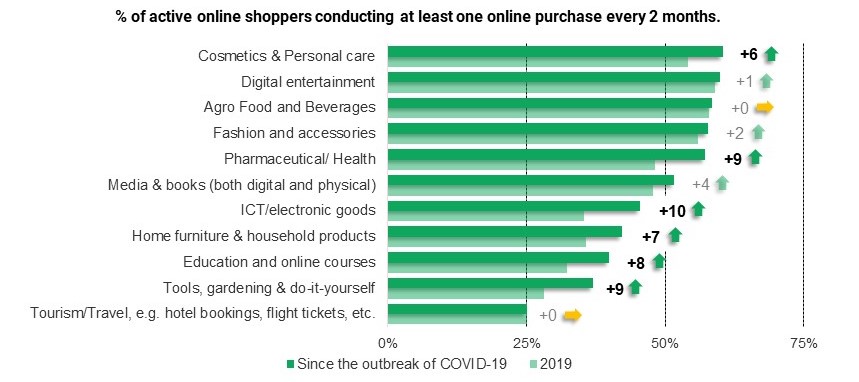
Departments and businesses are moving online, due to which digital marketing has welcomed tremendous momentum. According to resources, from March 2019, there has been witnessed a 73% surge to online businesses, and the fraction of new businesses is much less than that of off-screen companies turning onscreen.

Turning to online platform demands utilizing all the modern digital marketing trends that can help the company reach an audience, nurture leads and generate conversions. The more people visit your website or page, the better the sales and return on investment will be.

Today, when buying patterns have changed, and all physical stores are in lockdown, people head towards online channels to make their purchases. A report reveals that after the COVID outbreak, there are now more than 4 billion people using the internet daily. At least 45% depend on online stores to make purchasing decisions, and it’s massive.

Digital marketing today is helping companies identify and pitch their target audience so they can produce better and generate more.

Following are the ways COVID-19 is driving novel changes in digital marketing.

2.Ad Spend Has Risen To 31%

Due to the ongoing effects of COVID-19, a study by eMarketer revealed that advertising growth has finally exceeded that of offline than prior expectations for the first time and now accounted for half of the overall ad spending.

In reflection, the same study anticipated that by 2023 the ad spend would surge for two-thirds of total universal ad spend, making it a market appraised to be worth $333.25.

An infographic by Mediaocean proposes that ad spends within a group of top marketplaces and social media has risen up to 31% in 2021, which is the highest since January 2020.

Given these statistics, we can see that a significant jump throughout 2021 will be a positive sign of ramp-up improvement, and covid-19 will be a prominent factor behind this change.

3.PPC Is Proving More Yielding

Pay per click during the COVID pandemic is proven to be more returning for marketers. Believe it or not but this statement is absolutely true.

Image source

Since we know that stock of produces is inadequate, there are scarcer numbers of Ads on leading marketing networks such as Google Ads, Facebook Ads, YouTube Ads, Twitter Ads, etc.

Due to this inadequacy, the searches and traffic both are high, and so is the competition. And this is why the rate of paid ads has seized a sinking drift. The cost per click provides your brand with an excellent opportunity to increase the limelight and boost sales and traffic.

4.Online Sales Are Becoming More Active

According to Assignment Assistance UK, there are now 4.6 billion active internet users worldwide, which is almost 59.5% of the global population.

Image source

Due to this increasing number of people turning to online channels for their purchasing decisions, online sales are becoming more active than ever. More traditional companies are pivoting to digital space daily, contributing to expanding online sales.

Only at the start of 2020, a few months after the covid-19 outbreak, there was a growth of 18 percent in online sales, making it a remarkable feat for the first time in digital history.

The traffic growth dramatically surged, and digital commerce continues to climb the ladder till today. This is unusual but widespread in today’s environment, and experts see no falling off.

5.Email Marketing Has Seen A Substantial Surge

Being steady and reliable, email marketing is one of the most increasing trends of digital marketing during this COVID pandemic.

The traffic this vogue is yielding is high, and so is the engagement. According to the acoustic study, the open rates have seen a boost of 4.7 percent points during this COVID times and are anticipated to surge even more if businesses remain shut down.

In this stressful time, emails have become one of the best ways for companies to be in contact with their audience. Be it about the precautions people should take, health measures they should not ignore to stay safe and healthy, or shop goods online that they can’t get in person, companies significantly leverage this digital marketing trend.

As a result, the revenue this practice is generating is pretty high relatively.

6.Social Media Influencers Have Become The Need Of Hour

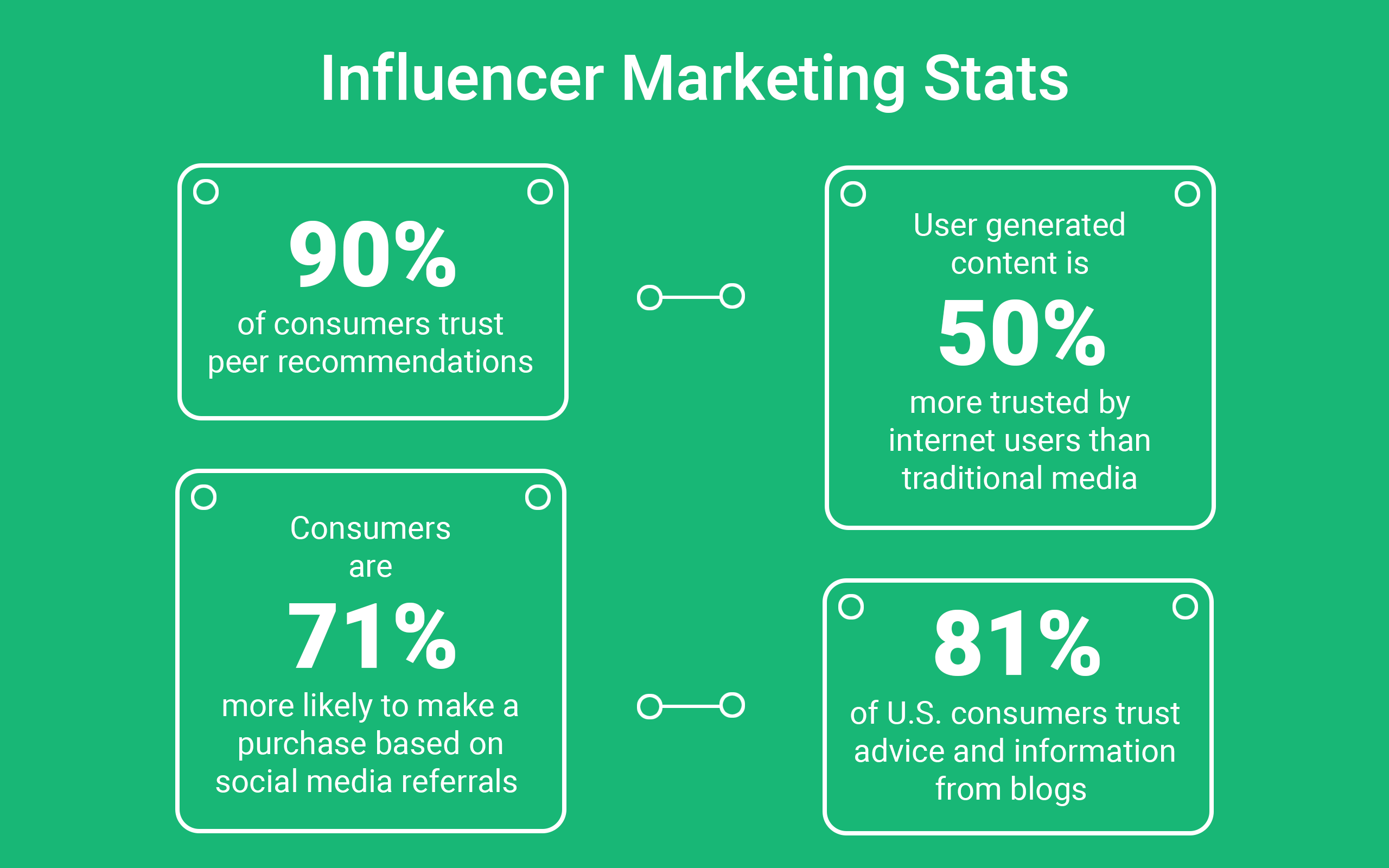
You must have seen social media influencers taking over the throne of celebrities during this COVID-19 pandemic. This is because the content these stars create resonate with the audience, and more than 60% of followers make their purchasing decision based on an influencer review.

Image source

This form of marketing today has become one of the most yielding formulas for brands to market their product, and more than 45% of companies are utilizing it to promote their brand to a larger audience.

Influencer marketing is cheap, quick and simple, and companies rather than sponsorships are looking forward to partner with these influencers for the long run so they can increase their legitimacy and authenticity for better sales.

Digital Marketing Post Pandemic

Digital marketing is the fastest-growing medium and has become an essential part of online businesses today.

Since people are gravitating more towards online shopping due to the push towards offline shopping, it is anticipated that digital marketing will mature at a compound yearly growth rate of 17.4% from twenty-nineteen to twenty-twenty seven to reach USD 151.8 billion by the year 2027.

As rendered by experts, this form of marketing is preferred mainly by startups and small businesses because it is cost-effective and don’t pinch in the pockets to meet their advertising needs.

Today and in future, progressively more channels will be created for digital marketing to help brands bring leads to their business and maximize their return on investments.

author

Author bio

Amanda Jerelyn is currently working as a Content Executive at Crowd Writer, one of those platforms that provide the best assignment writing service UK. Amanda is also a marketing expert, which is why you will see most of her articles on the same subject.

How To Use Instagram Stories in 2021 & Beyond

Instagram stories allow users to upload videos and photos that disappear after a day. It is similar to the Snapchat stories launched in 2013, and that’s a vital part of the network’s growth.

As per data, Instagram stories attain over 500 million active users every day. It is short-term video content that runs up to 15 seconds. If your uploaded video extends above 15 seconds, it automatically splits into the second part of the video for your story. You could use many online free editing platforms to edit your story video content and upload a story on Instagram.

To make a new story, click on the camera option at the top left side of your feed screen and swipe to the right. Here, you could capture a new photo directly or bring a video or image from your gallery.

Instagram Story Types

There are ten various types of Instagram story content you could create by scrolling right and left at the bottom of the screen.

#1 Type: It gives a colorful background for your texts to shine. You could choose various colors and font styles by tapping on the screen.

#2 Music: It allows you to bring music to your filming video or an image. Search for your favorite music and add it. Here, you could select the correct range of the entire music.

#3 Live: Here, you can go live to connect with your audience on Instagram. Click on the “Start Live Video,” and the platform would notify your fans that you are live. But don’t forget your live video disappears from the platform once it is finished.

#4 Normal: It’s the first screen that shows when you launch the Instagram story creator. You could use Normal to snap a picture, film video content, or post content from your gallery, as we said earlier.

#5 Boomerang: It snaps multiple pictures to bring an animation. Click on the main option, and you will notice the screen flash continuously as the images snap in a quick time. Also, Instagram Boomerang has a unique app to make creative animations to spread on other networks.

#6 Focus: It allows you to focus on a specific thing by blurring backgrounds. It’s the perfect deep work in professional photography, and it works mainly for faces. Click on the extensive record option to take a snap, and click & hold to film video content.

#7 Superzoom: It brings you to zoom in on a specific spot with significant sound effects to get a dramatic or humorous video clip. Click on the tiny music symbol on the screen to choose a style. It provides four types to select from:

  • Dramatic
  • Tv Show
  • Bounce
  • Beats

Click on the screen area where you need to zoom, tap, & hold the record option to film videos.

#8 Rewind: It allows you to film a video in reverse condition. It plays perfectly for video content which showcases body movements like dancing or running.

#9 Hands-Free: It allows you to film video content without keeping a finger on your smartphone’s screen. It is suitable for the contents such as exercise demonstrations and makeup tutorials.

#10 Stop-Motion: It brings you to film short animations from pictures, like a flipbook. To begin, select multiple images as you want. If you are completed with it, click on the “Done” option at the screen’s top to get your stop-motion animation.

Story Tricks On Instagram You Must Know

Here are a few ways you could work on your Instagram story contents to bag up vast attention.

Face Filters

Are you bored with taking selfies? Just try this out! Face filters allow you to add a flower crown, bunny ears, glasses, etc. A plus fact is that they are responsive and react to your every movement. There are various filters available where you can select as your choice.

Add Texts

It’s basic, but the tool is customizable and versatile, allowing you to select the effect, color, position, font, and size of your text. Click on the “Aa” option to begin the text method at the screen’s top. Using various sizes, colors, and fonts helps to keep things more interesting and grab the audience’s attention to the text you need to highlight. Also, you could add multiple hashtags and your friends on the platform easily in the text field.

Filter

Filters have been there since the beginning of Instagram. And now Instagram stories utilize it to remarkable effect. Just swipe right or left to load a filter.

Also, there are various types of stickers available on Instagram to attract your audience. Just click on the smiley face option at the screen’s top to get multiple choices of stickers: location stickers, hashtag stickers, tag stickers, GIF stickers, poll stickers, countdown stickers.

Publish

Once you have finished your filming and editing works to your story contents on Instagram, always remember to save your video or image if you want it. Click on the “Save” option to do this. Then click on the “Your Story” option to publish your story content when you have completed everything. Now your Instagram story content will be live!

How To Use Story Contents On Instagram?

Here are the best practices of Instagram stories to get more audiences to your posts.

Story Takeover

It means somebody temporarily takes your account on Instagram to provide your fans a stunning perspective of your brand or products. Also, you could join hands with customers or influencers to run your story contents. It builds more trust with extensive impressions on Instagram towards your brand and product.

Tease Something

It’s one of the best story tips on Instagram to keep your fans on their toes. Using story sections to tease a product or any upcoming programs gives your fans massive exclusivity. And an additional curiosity brings your audience to revisit your profile to catch a grand reveal.

Post Stunning Things

Story content might disappear after a day, but you could upload content your fans would need to screenshot and download on their mobiles for reference. It helps in keeping your brand or business top level.

Take Full Advantage Of Your Stories

Instagram story highlights are one of the perfect Instagram story tips I would suggest to you. Though Instagram story contents disappear after a day, this fantastic tool helps you to pin your story contents to your profile on the platform permanently.

Most popular brands on the platform use story highlight to save their amazing deals, updates, and essential information

First, bring up your story to begin Instagram story highlights. Once your story content is live, open your profile and click on the “Highlight” option at your screen’s bottom-left corner.

Conclusion

Instagram story is a most powerful tool if you use it to an extent. Additionally, its features give immense creativity. Though you utilize the story section on Instagram to grab more engagement and build relationships with your fans, don’t forget to use it to make your audience have fun.

Author Bio

Mary Kyle is a content developer and marketing manager who works at Snaphappen. She has written more trending articles on social media and has a handful of experience in delivering engaging content.