Things You Need for Your Daycare or Childcare Website Design

A compelling website is the face of your daycare or childcare center. It’s the first impression, the virtual handshake, and the platform that showcases your dedication to nurturing young minds. As a website designer, I’ve had the privilege of crafting digital spaces for numerous care centers, and I’ve distilled my experience into this guide. So, let’s dive into the essentials that will make your childcare website shine!

Why Localized Online Presence Matters

In today’s digital age, a website isn’t just a luxury—it’s a necessity. Especially for daycares and childcare providers in Louisville, where parents are constantly on the lookout for the best environment for their children. A well-designed website offers potential clients a glimpse into the heart of your services, setting the stage for trust and connection.

Boosting Your Visibility

With so many care centers popping up online, how do you ensure parents in Louisville see yours? The answer lies in effective Search Engine Optimization (SEO). By employing the latest SEO techniques, we ensure your website ranks higher, making it easier for local parents to find you. But visibility isn’t just about being seen—it’s about standing out. With engaging content and a modern design, your care center will not only attract but also captivate your target audience.

Driving Enrollment Through Design

A visually appealing website can be the deciding factor for a parent. Our designs focus on highlighting what makes your care center special. From showcasing facilities to integrating virtual tours and clear calls to action, we aim to turn curious visitors into enrolled clients.

Seamless Online Interactions

The modern parent values ease and efficiency. We assist care centers in setting up user-friendly online accounts. This allows parents to schedule visits, make payments, and communicate with your team effortlessly. Moreover, integrating your website with social media platforms ensures a consistent and broad-reaching digital presence.

Three Steps to a Stellar Care Center Website

Discovery & Planning: This is where we get to know you. Through consultations, content audits, and competitive analysis, we understand what sets your center apart.
Design & Development: Tailored designs ensure your website resonates with your brand and appeals to your audience. We prioritize user-friendly navigation, engaging visuals, and interactive features.
Launch & Optimize: Before your site goes live, we ensure everything is perfect. From thorough testing to SEO integration, we set you up for success.

Ready to Elevate Your Online Presence?

With a well-crafted website, you can truly represent the heart and soul of your care center. It’s not just about aesthetics; it’s about creating a platform that showcases your dedication to care. If you’re ready to embark on this digital journey, let’s work together to create a website that resonates with parents, guardians, and the Louisville community.

Childcare website templates and Services

In today’s digital age, having a strong online presence is not just an option—it’s a necessity. For care centers, daycares, and childcare providers, a well-designed website serves as the first point of contact for potential clients, offering them a glimpse into the quality and uniqueness of the services provided. At Design Web Louisville, we specialize in crafting bespoke websites tailored to the specific needs of care centers, ensuring they stand out in the crowded digital landscape. Dive into our specialized services designed to elevate your care center’s online presence:

Increasing Visibility and Standing Out

With numerous care centers vying for attention online, standing out is paramount. Our team employs the latest Search Engine Optimization (SEO) techniques to ensure your website ranks higher in search results. Coupled with engaging content and a modern design, we ensure your care center not only attracts but also captivates your target audience.

Increasing Enrollment

A well-structured and visually appealing website can be the difference between a parent choosing your center or moving on to the next option. Our designs focus on showcasing the strengths, facilities, and unique offerings of your care center. By highlighting testimonials, integrating virtual tours, and providing clear calls to action, we aim to convert website visitors into enrolled clients.

Set Up Online Accounts and Social Media

Parents and guardians often look for seamless online experiences in this interconnected era. We help care centers set up user-friendly online accounts, allowing parents to easily schedule visits, make payments, and communicate with staff. Additionally, our team integrates your website with social media platforms, ensuring consistent branding and messaging across all digital touchpoints.

Build your care center using our Amazing childcare website template

Introducing our premium care center website template: The Amazing Childcare Template, a perfect blend of modern aesthetics and top-tier functionality. Designed specifically for care centers, this template is not only visually appealing but also boasts a lightning-fast load time. For centers keen on owning and managing their digital presence, our template offers an intuitive user experience, ensuring even those with minimal tech knowledge can navigate with ease. Plus, with SEO best practices seamlessly integrated, your center is primed to rank high on search engines. Dive into a digital experience that’s contemporary, efficient, and tailored to showcase the best of your care center. Choose the Amazing Childcare Websites and let us craft a digital experience, or DIY the site on your own. You can build the site on your own with ease or use one of our care center website design specialists to create a site that resonates with parents, guardians, and the community, positioning your care center as the go-to choice in your locality.

our easy 3-step process for building a care center website

1. Discovery & Planning: Understand Your Unique Needs

Consultation Session: We begin with a detailed consultation to understand your care center’s mission, values, and unique offerings. This helps us grasp the essence of what sets your center apart.

Content Audit: We review any existing content, photos, and digital assets you have. This helps us identify gaps and areas of improvement.

Competitive Analysis: By analyzing competitors’ websites, we can pinpoint what works in the industry and identify opportunities to make your site stand out.

2. Design & Development: Bringing Your Vision to Life

Custom Design: Based on our discovery phase, we craft a design that resonates with your brand and appeals to your target audience. We focus on user-friendly navigation and engaging visuals.

Responsive Development: We ensure your website looks and functions seamlessly across all devices, from desktops to smartphones.

Interactive Features: From virtual tours of your facility to online enrollment forms, we integrate features that enhance user experience and streamline administrative tasks.

3. Launch & Optimize: Setting You Up for Success

Quality Assurance: Before launch, we conduct thorough testing to ensure every page loads correctly, and all features function as intended.

SEO Integration: We optimize your site for search engines, ensuring parents and guardians can easily find you when searching for care centers in your area.

Post-Launch Support: After your site goes live, we offer support and training, ensuring you’re confident in managing your new website. Plus, we’re always here for any updates or changes you’d like to make in the future.

ready to elevate your care center’s online presence and connect with more families?

With these three steps, we guarantee a website that not only looks great but also serves as a valuable tool for attracting and engaging with potential clients. Let’s embark on this digital journey together and create a website that truly represents the heart of your care center. Let’s craft a website that showcases your unique offerings and dedication to care.

additional care center and care provider marketing services

Custom Website Design

Tailored designs to reflect the unique essence of each care center, ensuring it resonates with the target audience.

Content Management System (CMS) Integration

Empowering care centers to easily update and manage their website content without technical expertise.

Interactive Calendars

Display upcoming events, activities, and important dates for parents and staff.

Secure Parent Portals

A private area for parents to access reports, updates, and communicate with the care center staff.

Integrated Blog Platform

Share news, updates, and articles related to childcare, development, and other relevant topics.

Social Media Integration

Linking to and integrating content from social media platforms to enhance community engagement.

Custom Forms

Design forms for inquiries, feedback, or job applications.

E-commerce Integration

For centers that sell products, books, or other materials.

Multilingual Support

Cater to diverse communities by offering content in multiple languages.

Training & Workshops

Empower care center staff with the skills to manage and update their website.

Responsive Web Development

Ensuring all websites are mobile-friendly and accessible across various devices, from smartphones to tablets and desktops.

Online Booking & Registration

Seamless integration of booking systems for parents and guardians to schedule visits, tours, or register their children.

Photo & Video Galleries

Showcase facilities, events, and daily activities to give potential clients a glimpse into the care environment.

Testimonials & Reviews Section

Highlight positive feedback from satisfied parents and guardians.

Search Engine Optimization (SEO)

Optimize the website for search engines to increase visibility and attract more visitors.

E-Newsletter Sign-Up

Keep parents and guardians informed with regular updates, news, and announcements.

Interactive Facility Tours

Offer virtual tours or interactive maps of the facility for prospective clients.

Safety & Security Features

Ensure the website is secure, with SSL certificates and other safety measures.

Ongoing Maintenance & Support

Regular updates, security checks, and technical support to keep the website running smoothly.

Branding & Logo Design

Crafting a unique identity for care centers, including logo design, color schemes, and branding materials.

Care Center Website Design Specialized Services

With our specialized services, care centers, daycares, and childcare providers can establish a strong online presence, effectively reaching out to parents and guardians, and showcasing the best they have to offer.

Creating a Nextdoor Ad in Louisville, Kentucky

In Louisville, local businesses thrive when they connect with their immediate community. Nextdoor, a neighborhood-focused platform, offers a unique advertising opportunity for businesses to reach out to their local audience. Here’s how you can harness its power in just five easy steps:

Advertising and Marketing Tips for Creating a Nextdoor Ad in Louisville, Kentucky

Define Your Objective: Before diving in, determine what you want to achieve. Whether it’s driving traffic to your website, promoting a sale, or initiating conversations with potential customers, having a clear goal will guide your advertising strategy.

Craft Your Ad: Design an ad that resonates with your target audience. Ensure it aligns with your brand and effectively communicates your message.

Target the Right Audience: Louisville is diverse. Choose the neighborhoods or demographics that align best with your business offerings.

Budget Wisely: Set a daily budget that aligns with your marketing goals. Remember, every dollar counts!

Launch and Monitor: Once you’re satisfied, pay and publish your ad.

Maximize Your Budget

In Louisville’s competitive market, it’s essential to get the most out of every advertising dollar. With Nextdoor, you have complete control over your budget, ensuring you achieve your goals without overspending. You may also want to check to make sure Nextdoor is where you demographic can be targeted so you can set the correct budget. Keep in mind that Nextdoor is primarily a mature audience, so if your primary market is young people, than you might want to save your budget for platforms with a higher volume of people in your demographic. It’s also considered one of the least popular forms of social media in the country, with only 13% of Americans saying they have used it. That said, if you are looking for older homeowners, it might be a perfect place for your next ad campaign. Just because the pool is small does not mean it is not an ideal space for capturing leads, especially if it’s your ideal market. It is also a great space for making the most of your budget with a seriously low CPC or cost per click – In 2020, the average CPC for Nextdoor was just $0.6, an unusually reasonable value for the ad market.

Here are Some Demographics for Nextdoor: 

Gender: 63.23% female, 36.77% male

Age: The largest age group of visitors are 55–64 year olds

Ethnicity: 15% White, 10% Black, 8% Hispanic

Community type: 17% urban, 14% suburban

Households: Nearly 1 in 3 households in the U.S.

Daily active users: Around 700,000

Stay Updated On-the-Go

With Nextdoor’s mobile dashboard, track your ad’s performance anytime, anywhere. Monitor views, clicks, and messages to understand what’s working and refine your strategy over time.

Choosing the Right Ad Type for Your Business

Drive Website Traffic: Showcase your products or highlight services to entice new customers to visit online or in-store.

Promote Deals: Everyone in Louisville loves a bargain! Attract new and returning customers with special offers or discounts.

Engage Directly: Open a line of communication with potential clients. Educate them about your offerings and seal the deal.

Where Will Your Ad Appear?

Your ad’s placement depends on your chosen goal. Nextdoor offers multiple display areas:

Newsfeed: Engage with neighbors in real-time as they scroll through local updates.

Right-hand Rail: Perfect for ads aiming to increase website visits.

For Sale & Free: Ideal for businesses looking to tap into the local marketplace.

Real Estate Section: Tailored for real estate and home service businesses, this section showcases homes and services to interested neighbors.

Understanding Billing

Choose a billing method that aligns with your campaign goals:

Continuous Ads with Monthly Billing: Ideal for ongoing promotions. Set your budget and let your ad run continuously. You’ll be billed every 31 days, ensuring your campaign remains uninterrupted.

Ads with a Specific End Date: Perfect for time-bound promotions. Pay upfront based on your daily budget and campaign duration. Any remaining funds can be utilized for your next ad.

In the heart of Louisville, where community matters, Nextdoor offers a unique platform for businesses to connect with locals. Dive into this advertising opportunity and watch your business flourish in the community you love.

What Are the Essential Business Expenses that Shouldn’t Be Avoided?

Running a company is expensive. If you hope to make a profit while keeping prices competitive, you will need to minimize your operating costs wherever possible. At the same time, there are some business expenses you should not cut from the budget.

Many enterprises spend too much on avoidable or unnecessary expenses. However, if you want to cut costs effectively, you must recognize the spending areas you should always include in your budget. Here are five such essential expense categories you should think twice about before cutting.

Licenses and Permits

Regulatory costs are the most important business expenses to consider. While some of these fees may be expensive, they are far less than the cost of noncompliance penalties or — in a worst-case scenario — losing your right to operate.

Most companies require state and federal licenses to operate legally. Depending on where you work and what industry you are in, the accompanying fees can cost several hundred dollars. Many licenses also expire after a set period, in turn requiring renewal and more permit-related costs.

In some cases, you can get additional permits that may not be mandatory but let you perform services that set you apart from the competition. Whether this spending is worth it depends on your local market and what you specialize in. For most regulatory costs, though, the only way to minimize them is to avoid penalties. Review all applicable regulations to determine your necessary licenses before setting a budget.

Employee Wages and Benefits

Employee expenses are a more contentious area for many organizations. Wages and benefits can be some of your biggest operating costs, so it makes sense to want to reduce them. While spending too much on your workforce is possible, lowering salaries is not always ideal.

At the most basic level, your business needs staff to work efficiently and the law requires you to pay them a certain amount. It is often best to go above and beyond these minimums, though. Offering a competitive salary and benefits package may cost more, but it can also lead to more productive and engaged employees.

Many companies today struggle to retain staff because people have more employment options than ever, so they often leave for better-paying positions. Considering hiring and onboarding are far more expensive than keeping a good employee, it is typically best to offer better compensation in the first place.

Insurance

Insurance is another crucial business expense you should not gloss over. Some forms of insurance — such as vehicle insurance and worker’s compensation — are mandatory in some areas and industries. Others may not be a legal requirement but are worth the cost, considering how much they save in an emergency.

Professional liability insurance minimizes legal costs from claims from dissatisfied customers, which is ideal for some high-risk products and sectors. If your brick-and-mortar facilities reside in storm-prone areas, you may also consider flood or wind coverage for your building. You can determine what insurance you need by reviewing your enterprise’s costliest and most likely risks.

In some cases, you can write off business insurance on your taxes because it is common and necessary in your industry. Remember to capitalize on that opportunity to minimize your expenses without sacrificing safety.

Equipment and Maintenance

Depending on your industry, equipment costs may be another class of unavoidable business expenses. Just as you need talented and engaged employees to work efficiently, you need the right tools for the job. Opting for the least amount of or cheapest possible machinery may seem smart initially, but it often leads to low efficiency or poor-quality output.

Of course, you do not necessarily need top-of-the-line machinery in every instance. Making the most of these investments is often more about selecting the optimal tool for a specific use case rather than simply spending more. Determine how much you should pay by comparing prices to expected depreciation, any resulting savings from efficiency and equipment longevity.

Maintenance is another crucial spending category, especially if you use high-end equipment. Regular maintenance may seem expensive, but it saves money in the long run by preventing costly, disruptive breakdowns.

Web Presence

As the internet’s role in life and business grows, your organization’s web presence is becoming increasingly important. Consequently, building and maintaining an engaging website and social media channels is now a critical business expense.

A well-designed website and carefully curated social media profiles will help you reach new customers and engage existing ones. Expanding your web presence will also provide more data on your customers and target markets. Direct, personalized marketing drives sales and increases loyalty, and the only way to achieve it is through this data, so take advantage of this opportunity.

Social media marketing, web design, search engine optimization services and cloud infrastructure to enable a more responsive website are all worthwhile investments. You can determine where to focus this spending by learning more about your target audience. If you want to reach younger consumers, mobile-optimized websites and social media are ideal, whereas a B2B business may prefer to pay for email marketing.

Get More Out of Your Necessary Expenses

Effective saving starts with recognizing where you cannot afford to cut corners. These five business expenses are all areas where a little more spending is worth it in the long run. Whether they are a matter of legality, efficiency or long-term savings, these cost categories deserve dedicated room in your budget.

It is possible — and recommended — to approach these expenses carefully to see how you can avoid spending too much on them. Simultaneously, reaching only the bare minimum in these areas will end up costing you more than you would initially save.


Eleanor Hecks is editor-in-chief at Designerly Magazine. Eleanor was the creative director and occasional blog writer at a prominent digital marketing agency before becoming her own boss in 2018. She lives in Philadelphia with her husband and dog, Bear.

This Is Why Your CTA Is Not Converting (and How to Fix It)

The calls to action (CTAs) on a website can make or break company revenue goals. Driving visitors to a page is only half the battle. Once people are there, the site must be engaging enough to move them toward the ultimate objective of converting from shoppers to buyers. If a brand has a CTA not converting, it’s time to check out the following factors and determine what changes are necessary.

Here are some of the principles designers should follow for the highest chance of success with CTAs.

1. Use Actionable Language

Vague phrases such as “Info” or “More” don’t encourage action. Instead, use actionable verbs, such as “Get Free Report” or “Sign Up” to drive engagement.

Stick to simple phrases or risk losing visitors with shorter attention spans. Try to come up with something that explains what the user will get when they take the action and why it’s specific to the brand.

Some strong action verbs website owners can use include:

  • Buy
  • Shop
  • View
  • Subscribe
  • Try
vrbo web page screenshot

Source: https://www.vrbo.com

VRBO uses a simple “Book Now” command to encourage site visitors to place a reservation with one of their host locations. The button is blue, which pops against the backdrop of black, white and gray. Each property has a CTA button that follows the user down the page, as they look at photos of the property or interact with the listing.

2. Check Placement

Is the CTA still not converting? Where it’s located on the page can have a huge impact on how successfully it sends users down the buyer’s journey path. Try different locations and use A/B split tests to determine which location on the page works best with a particular audience.

Some users want enough information to make a decision before seeing a CTA button. Others are ready to act as soon as they land and need an option near the top of the page.

3. Make an Offer They Can’t Refuse

Get people to click on the CTA button by making an attractive offer. Give them something free, for a limited time or offer a perk if they convert to a customer.

There are two schools of thought on offering free items to collect leads. Some believe it gives the brand a direct connection to people already interested in what they offer. Others think freebies just attract people who want something for nothing and won’t convert into buyers.

Try different offers and see how the results shake out.

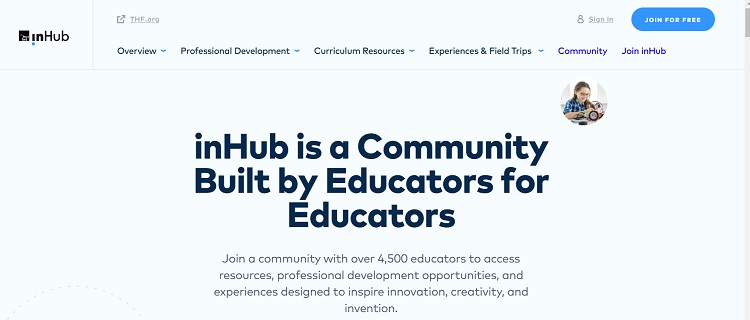
inhub website screenshot

Source: https://inhub.thehenryford.org

A good example of offering something free so people can see what a brand offers is found on inHub. Note the “Join for Free” CTA button right at the top of the page. If the full signup process is rather lengthy, brands may take action to make a free signup for a trial or download simpler. Collecting only crucial information to stay in touch, such as a first name and email address, encourages users to complete the signup.

4. Increase the Size

For a CTA not converting, increasing the size of the button might improve conversions. A mere increase of 20% in size can draw user attention and improve sales. Try making the button easier to find. Move it around, make it larger, make it smaller and see what users respond to.

Every site and every offer is slightly different. What works for one site or even page on that website, may not work for another. Testing is critical.

5. Create a Sense of Urgency

Once users leave a site, they aren’t as likely to return. They may intend to but a million other things distract them from coming back. Whenever possible, create a sense of urgency to drive conversions while having their attention.

Utilize words and phrases such as:

  • Limited time
  • Ends soon
  • X left
  • Buy now
  • Hurry

One note of caution — if the CTA says something is only available for a limited time, don’t extend that time indefinitely. Users should trust a brand to stick to its word. If the CTA or text surrounding it says there are only two hours left to get an offer, it must disappear after that time. The company can create a new offer, but it should not be the initial one.

hulu website screenshot

Source: https://www.hulu.com

Hulu adds a CTA to the top bar of their site to really drive home the point that the offer is for a limited time. They even list the end date so users know exactly when the cost goes up. If one looks at the CTA buttons further down the page, they’ll see in small letters it shows how much the price is going up and why users shouldn’t delay in signing up.

6. Add White Space

One big mistake people make with CTAs is not adding enough white space around them. A bit of negative space sets a button apart and shows the user it’s something important they should pay attention to.

For mobile users, adding white space makes it easier to click on the button on a smaller screen. Since over half of internet traffic is now via mobile devices, it makes sense to create a responsive design.

Figuring Out Why a CTA Is Not Converting

The CTA may not be converting for numerous reasons. Running tests to figure out what works with the brand’s audience is the number one way to improve conversions. Try changing the color of the button, the size, the placement and even the wording. With a bit of trial and error, designers will find the best combination for their audience and wind up with a high-converting landing page that drives growth.


Eleanor Hecks is editor-in-chief at Designerly Magazine. Eleanor was the creative director and occasional blog writer at a prominent digital marketing agency before becoming her own boss in 2018. She lives in Philadelphia with her husband and dog, Bear.

Mastering the Art of Client Retention: Building Strong and Loyal Relationships

Many businesses are cutting budgets and laying off employees to stay afloat in today’s economy. These times are certainly tricky for small operations and agencies. That is why they must find a way to maintain company sustainability. What better way to do this than mastering the art of client retention?

A strong client retention strategy can give you the means to build long-lasting relationships. The longer they stay with your business, the more they contribute to your revenue stream. Plus, you save money and time retaining clients rather than acquiring new ones. Start by adopting a few tactics today.

1. Understand Your Clients and Their Needs

You must truly understand your clients’ needs to excel in client retention. Customers who feel heard and understood are more likely to stay loyal. Their needs guide you in providing value and enhancing their overall experience.

Effective communication and active listening are essential. To understand what your clients want, you must hear them clearly. Once you listen to what your clients express, you can better align your services and offerings to what they seek.

Start diving deep into your clients’ needs by conducting regular surveys or feedback sessions. Allow them to provide their input by sending questionnaires after they’ve worked with you on one project. That way, you will have time to gain insights and refine your strategies for next time.

2. Provide Exceptional Customer Service

Customer service plays a critical role in client retention. When you provide an amazing experience for your clients, they will want to keep returning for more of your services. This allows you to maintain your client roster and sustain a business relationship needed to succeed.

However, customer service requires responsiveness. A prompt reply to a client’s question or concern shows you value and prioritize their needs. People should also feel like they can count on you. Showing them your services are reliable builds trust. Consistently delivering gives them little reason to look elsewhere.

Meanwhile, going the extra mile will differentiate your business in a saturated market. Turning in a project a day early or going beyond measures to solve their problem are unexpected gestures that leave a lasting impression.

Invest in technology like live chat to ensure you provide excellent service. These website tools offer real-time assistance and address client concerns immediately. Consider a 24/7 answering service for continuous support. They guarantee your calls are always taken, reassuring your business never misses a beat.

3. Foster Personalized Connections

Your goal may be to retain your clients, but have you noticed them leaving you for another service provider? This could be because your competitor created a more personalized connection with them. Companies are constantly flagging potential clients for their attention. However, there’s more to standing out than the quality of the products or services. It is the depth of their relationships.

Personal connections make clients feel unique and valued. For instance, mention a personal detail they discussed with you last time. Your client will see that you listen, taking your relationship to the next level and forming a genuine bond. People who feel a business truly knows them are more likely to remain loyal and become ambassadors for your brand.

Investing in a CRM (customer relationship management) system is the best way to build these personalized connections. Tools like Hubspot and Zendesk can track client interactions, enabling your team to have relevant, personalized conversations.

4. Offer Value-Added Services or Benefits

Client retention can increase your profits by up to 95%, so consider offering services that add value to their lives. Customers seek more than a service or product — they want solutions and experiences that benefit them.

A value-added service acts as an extra layer. Offering something outside the scope of work reinforces a client’s decision to engage with your business. These perks enhance your services and make your clients feel they are getting more than what they paid for.

For example, a software company may offer free training webinars. An accounting firm could provide periodic financial health check-ins. Little services like these show you prioritize clients’ welfare over profit.

Before adding benefits, consider understanding what your clients need help with first. For instance, if you provide cybersecurity services, you know your clients may struggle with maintaining best practices. This is where you could offer a free e-book or newsletters that provide tips and industry insights.

5. Monitor Client Satisfaction and Address Issues Proactively

You must always ensure clients are satisfied with your services. Otherwise, 80% may decide to leave after repeatedly experiencing issues. That is why it is important to continue monitoring feedback. Doing so allows you to anticipate potential concerns before they become bigger.

Consider conducting regular check-ins. This allows you to truly understand the client’s feelings when discussing them in person. You could also keep a channel of communication open with them. For instance, many businesses use email as a means of communication. Customers can email whenever they feel they have an ongoing issue and it will come to your attention when you check your inbox the next day.

Build Lasting Relationships by Boosting Client Retention

Keep your clients happy and retain them long after they work on a project with you. They are more than a third-party vendor — you should treat them as a life-long partner. Use these strategies to help you build solid client relationships. Doing so will add value to your service and have them return for more.


Eleanor Hecks is editor-in-chief at Designerly Magazine. Eleanor was the creative director and occasional blog writer at a prominent digital marketing agency before becoming her own boss in 2018. She lives in Philadelphia with her husband and dog, Bear.

What Emerging IoT Trends Should Businesses Pay Attention To?

You must pay attention to the latest innovations coming to the Internet of Things. IoT devices complement many other advanced technologies, so people are starting to combine them. These emerging IoT trends stand to revolutionize how businesses use the technology.

How Are IoT Trends Evolving Technology?

Emerging IoT trends are evolving technology into something entirely new. It combines with the most advanced, popular innovations to create something never before seen. The IoT as you know it may soon change forever.

In 2022, IoT startups secured the highest amount of funding they had received since 2012. They collected an average of nearly $16 million, a 30% increase from 2021. People saw the emerging trends of 2023 and decided they needed to be a part of the technological innovation.

The market for IoT devices dipped over 20% in 2022. However, they still secured incredibly high funding because investors believed the upcoming trends would revolutionize the technology. How much money they receive gives businesses a direct insight into its future. In this case, it is a clear indication of success.

What Are the Emerging IoT Trends?

The emerging IoT trends offer new takes on traditional devices. While some incorporate other well-known technologies, others create something entirely new.

  1. Automation

Many emerging trends combine IoT devices with other advanced technologies. Automation has been a massive success for many businesses and is among the most popular. Although it has existed for a few years, it is only starting to pick up speed.

Many companies use IoT in robotic automation. For example, FedEx has used it for five years to organize and distribute mail, replacing traditional carriers. Most businesses rely partially on e-commerce sales, so they would benefit from technology that can package, label and ship products.

Even if you do not ship items to customers, you should pay attention to this trend because it has many real-world uses. No matter your industry, you can automate some of your responsibilities with IoT devices. It could streamline your processes, increasing accuracy and profit.

  1. Artificial Internet of Things

Artificial intelligence in IoT — what people call AIoT — is one of the latest IoT trends. It combines artificial intelligence with traditional IoT technology. However, the extent of its presence differs depending on the device’s purpose.

Incorporating AI into IoT allows businesses to rapidly analyze data, make accurate predictions and run things smoothly. The simplest form of AIoT uses an algorithm to process information, while the more advanced version makes the devices operate independently.

Much of the buzz around it comes from the potential for peer-to-peer communication where each IoT device interacts with others. They already have a constant connection to the internet, so establishing one between a group of them is a minor leap.

  1. Asset Tracking

A business owner is no stranger to supply chain delays and surprises, considering everything from a bad storm to a foreign conflict can disrupt things. IoT asset tracking can give immediate updates on an item’s location.

You can use remote IoT tracking to find packages in real time, no matter where you are. It improves traceability, helping you reduce losses. All you have to do is put a device on a pallet to keep track of its whereabouts the entire time it is in transit.

On top of tracking where products are, IoT asset tracking can tell you if they break in transit. The sensors can detect minor changes and alert you to potential damage. This technology can even improve your brand’s reputation since you can resolve the issue before your customer receives a defective item.

  1. Digital Twins

A digital twin is a virtual copy of a physical object. Basically, it is an advanced version of traditional simulations. You use IoT sensors to map whatever item you want to visualize to monitor it in real time or simulate it after a change.

A digital twin can handle thousands of variables simultaneously, so you can use it for complex situations. For example, you could simulate how your new packaging design will function. You can use a digital twin instead of repeatedly building and testing prototypes.

It is also helpful for visualization. A digital twin can help you if you want to keep track of something remotely. Since it is a replica of the item in a digital format, you can monitor it even if you are not close to it. If something on the actual object begins to malfunction, you can consult the copy to understand how to troubleshoot things.

  1. New Regulations

Regulations have begun to appear because of the rapid appearance of new IoT trends. Businesses should be aware of each new law to protect themselves as they adopt the technology. Regulatory bodies want to set ground rules as more industries use it.

For instance, the European Commission accepted a data protection act in 2023. In the United States, the Federal Communications Commission proposed mandatory cybersecurity labels for IoT devices in the same year.

What Can Businesses Do to Prepare?

Businesses can analyze their needs to prepare for upcoming IoT trends. Once they identify where to use the technology, they can figure out how to implement it. While AIoT may be the best choice for one company, automation may be vital for another, depending on their individual needs.

Whatever they choose, it is a good idea to act now since the technology is only getting bigger. In 2023, the amount of IoT devices reached 15.14 billion globally. Experts expect the number will continue to rise and reach nearly 29.5 billion as early as 2030. They can take advantage of the growth if they prepare for it.

Follow the Trends

Businesses can benefit from paying attention to emerging IoT trends revolutionizing technology. You could use it to automate your e-commerce packaging, test new product prototypes digitally or predict supply chain delays. Ultimately, it could improve your company’s operations and elevate your digital processes.


Eleanor Hecks is editor-in-chief at Designerly Magazine. Eleanor was the creative director and occasional blog writer at a prominent digital marketing agency before becoming her own boss in 2018. She lives in Philadelphia with her husband and dog, Bear.

Next-Level Campaigns: How AI Supercharges Customer Acquisition and Retention

Customer acquisition and retention are necessary for businesses to succeed. Acquiring new customers allows companies to grow, but they must also retain them to guarantee brand loyalty and sustainable profitability.

Consumers are constantly shifting their preferences and behaviors, making it challenging for companies to reach target audiences with effective campaigns. However, with artificial intelligence (AI) by your side and the right data, you can better understand, attract and retain your customer base.

A Brief Overview of How AI Works

AI helps marketers by analyzing large amounts of data in a shorter time. Companies have always used data to learn about their customers. Yet, before AI came into the picture, businesses used traditional marketing methods that often relied on broader information.

Today, the global AI market comes to $142.3 billion, and companies use it to identify specific customer behaviors, preferences and patterns. Marketers create more targeted and personalized campaigns using algorithms to sift through data sources like website visits, social media interactions and purchase histories.

This information provides a deep view of customers’ habits and what they like. With these insights, businesses craft messages and offers that resonate directly with individual users. As a result, potential customers are more likely to engage because those messages capture their attention.

Essentially, AI eliminates much guesswork and ensures you use your resources efficiently to reach the right audience on time.

Personalized Marketing Messages and Recommendations

AI takes personalization to a whole new level by understanding each customer. One way it personalizes marketing is through product recommendations.

For instance, when users visit an e-commerce site, AI analyzes their browsing behavior, past purchases and abandoned carts. It uses this information to suggest products they are likely to buy. However, this method requires more than showing relevant products — it also needs you to present them at the right moment in the user’s journey.

Email marketing has also benefited from AI’s personalization capabilities. Instead of sending generic newsletters, companies can now send emails that provide specific solutions to their customers’ needs. From subject lines that capture attention to content that addresses their interests, AI ensures every email feels individually crafted.

In social media advertising, AI looks at users’ interactions, likes, shares and comments to display ads that relate to their interests and values. It ensures each message caters to the individual to increase engagement and customer interest.

Optimizes Ad Campaigns

Optimizing an ad campaign has become highly sophisticated with the integration of AI. AI assists businesses in ensuring their advertising efforts are on point through various techniques:

  • Dynamic pricing: AI analyzes real-time market demand, competitor pricing and other factors to adjust ad bids automatically. This analysis ensures companies get the best value for their ad spend while maximizing visibility.
  • Audience segmentation: Instead of broad demographic groups, AI creates micro-segments based on behaviors and past interactions. This allows for highly targeted ad campaigns that cater to specific audiences.
  • A/B testing at scale: While traditional A/B testing compares two versions of an ad, AI can test multiple variations simultaneously. It analyzes which elements — like headlines, images or calls-to-action — perform the best.
  • Predictive analysis: AI forecasts how likely a particular ad is to convert based on historical data and user behavior. This predictive insight allows businesses to allocate their budgets better — pushing resources toward advertisements likely to yield higher results.
  • Multichannel optimization: AI focuses on more than one platform by evaluating the performance of ads across various channels — from social media to search engines.
  • Real-time adjustments: Market conditions and user behaviors can change rapidly. Therefore, AI-driven platforms become useful as they react in real time to tweak campaigns to adjust to these changes.

Predicts Customer Needs

AI may be able to capture data and analyze it for campaigns. However, the interesting part is that it can predict future trends by analyzing past behaviors. With its predictive capabilities, you can address customer needs before they arise.

AI achieves this by looking for patterns in your customer data. These could be things your customers have purchased or time spent on particular pages. From there, AI determines what a customer is interested in or might look for in the future.

For example, a customer who checks out athletic gear often may be interested in a new sportswear line. The company can then use this information to promote the products, instantly saving time and money from studying customers’ preferences and behaviors.

Beyond looking at individual behaviors, AI also analyzes global trends. By examining broader market patterns and predicting upcoming trends with AI, your business can always be a step ahead in its offerings.

Automates Customer Communication

Effective communication is crucial in establishing and maintaining customer relationships. Communication helps customers get answers to their questions, build trust with a brand and solve problems. However, low-priority communications often take up much of your customer support team’s time.

When AI automates simple requests, customer support can better care for customers with larger issues. For example, AI could help customers find what they want on the business’s website. Hubspot found that 78% of customer support agents use AI and automation because they say it lets them spend their time on more important aspects of their role.

One of the most popular ways companies do this is through chatbots. These tools handle numerous customer inquiries in real time, providing instant answers and solutions. AI chatbots can understand and respond to user queries. The interaction feels smooth and natural, and more customers are satisfied with the help they receive.

Using AI Marketing for Customer Acquisition and Retention

AI has certainly changed the way marketers reach and retain new customers. Whether it is through personalized messaging or product recommendations, businesses witnessed the power behind it to engage with customers in previously unimaginable ways. Pinpoint some areas where you could use AI in your business and start taking customer acquisition to another level today.


Eleanor Hecks is editor-in-chief at Designerly Magazine. Eleanor was the creative director and occasional blog writer at a prominent digital marketing agency before becoming her own boss in 2018. She lives in Philadelphia with her husband and dog, Bear.

Why Incorporating Community Service Is Vital for Modern Web Businesses

What does community service look like for modern web-based businesses? Unlike traditional mom-and-pop shops with personal customer relationships, a digital company may have various clients.

Figuring out the ins and outs of giving back to customers requires more legwork but can still help your company develop strong interpersonal relationships with clients. Laying the groundwork gives you a competitive advantage and establishes your organization as one that cares.

1. Build Strong Connections

The Edelman Trust Barometer 2023 showed a rising need for increased trust between consumers and brands. Approximately 71% of people feel being able to rely on a company to be honest is more important today than in the past.

Giving back to the world shows you care about more than just a profit. It is much more likely to instill good feelings in people than if you ignore social causes or needs. You create strong emotional ties when you make a difference in someone’s life.

2. Show You’re an Authority in Your Field

According to research, family-owned enterprises provide employment opportunities for 63% of the workforce in the United States. Hundreds of thousands of businesses emerge each year, making it increasingly challenging to find success.

How can you show you’re an authority in your field and gain customers’ confidence? Giving back to others shows you know what you’re doing and are making a profit. Give a percentage of revenue to philanthropic efforts.

Consumers who believe in the same cause will consider you when they need something you sell. An example of this type of buy-one, give-one mentality can be seen in the model of TOMS shoes. When you buy shoes, it donates a pair.

3. Create a Positive Impression of Your Company

Community service can also improve your image and help you develop a positive reputation. If you’re doing damage control from past mistakes or a catastrophe, finding ways to give back can help repair your reputation.

Remember why you started your company and the big dreams you had. What is your brand image and how do others see you? For example, are you an avid golfer? You may have started your company to serve a need such as help with putting skills. One idea is to offer free training to golfers on an aspect of their game. You could also give back to a charity for youth by hosting an event where profits go to a specific organization.

Embrace whatever cause matters most to you, whether saving the environment, protecting endangered species or helping homeless veterans. Whatever movement you participate in, post to your social media account and share how you’re giving back with your followers.

4. Keep Employees Thriving

According to the United States Bureau of Labor Statistics, the quit rate for June 2023 was 2.4%, which was nearly 4 million workers. Although competition to retain people might vary depending on where you live, you still want to keep your employees engaged and thriving.

Your employees often promote your business and its activities. They take pride in their workplace and eagerly spread the word to others. Identifying your strengths simplifies determining when and how you should give back. By working together, everyone can contribute to cultivating a company culture.

Regardless of how much the labor shortage impacts your company, you want to train and keep top workers. Investing in things they care about is a great way to retain talent.

5. Teach Customers to Be Loyal to Your Brand

Serving the online community means your company name is repeatedly mentioned in the same circles. Your target audience might see you donated to a cause they are passionate about. You may have participated in a local project and it made an impact or spurred more giving to a global cause.

They may perceive their friends buy the same product, creating an online connection. In fact, 22% of consumers say a strong sense of community is a big reason for brand loyalty. However, it goes deeper than just feeling seen and heard. Someone has to hear your name repeatedly before remembering it in the first place.

Building brand recognition takes a plan and consistent delivery. Look for ways to get the word out. However, the reason you participate in an event or offer a service should be because you care.

Even if you gain zero new customers from giving back, you should still do it because it matters. Approaching charity work with a positive attitude will likely get fresh eyes on your products and revenue from the effort.

6. Get Your Customers Like No One Else Does

Understanding the emotions and passions that drive your audience means you’re much more likely to make an emotional connection. Engaging in community service lets you connect with your customers on their level and gain insights into their priorities. Take the time to inquire about the organizations they hold dear and would appreciate your support for. Additionally, explore ways you can assist them or their loved ones.

For example, some of your customers may have vision limitations. You can find out what makes it easier for them to browse your pages and fix it. You can then offer a community service by featuring workshops for other companies and explaining what you changed and how they can repeat your efforts.

Start on Community Service Today

The best way to ramp up community service for your modern web business is to map out how you’d like to give back and start with the top ones. Allow your employees some input, try various ideas and ask customers what they think about new programs. Focus on improving your efforts over time and offering a service to make the world a better place rather than what you can get out of it as a company.


Eleanor Hecks is editor-in-chief at Designerly Magazine. Eleanor was the creative director and occasional blog writer at a prominent digital marketing agency before becoming her own boss in 2018. She lives in Philadelphia with her husband and dog, Bear.

The Art of Meeting Project Deadlines: Essential Practices for On-Time Delivery

One of the most challenging aspects of running a successful company is meeting project deadlines. With multiple players on a project and clients throwing new due dates at you, developing strong practices for on-time delivery is difficult at best.

Meeting due dates is crucial to the growth and success of your business. You will build trust with clients so they turn to you for future projects. When you are more productive, you will also get more work done and be able to take on new clients.

Fortunately, making a few changes to how you approach projects can make all the difference. Here are the top ways of meeting project deadlines on time.

1. Get Input From Staff

Gartner reports 82% of employees want their organizations to understand them as a person, but only 45% feel their employer tries. Before embarking on any big process changes or productivity improvements, gather everyone together.

Ask workers for ideas to improve time management. Most of them probably already have hacks they use and everyone can learn from one another. Also, ask for feedback for project managers on the things that might need improvement when it comes to dispersing work and setting deadlines.

2. Set the Foundation

Come up with a template you can utilize that defines the scope of the project and the end objective. Knowing the typical milestones for projects of a similar type enables you to streamline the process of setting up the job.

You can use tools such as online project management to make the process easier and save other workflows. With a plug-and-play type system, you simply add in the specific details for the exact project of the moment.

3. Use a Paper Planner

When you are first laying out your projects, put everything on paper. You never know when third-party software might go down. With a paper copy, you can pull out the original notes and keep moving forward until systems come back online.

Studies also show writing things out in hard copy improves retention. People will not have to continually refer to online notes if they better remember the next task. Although it is an extra step to mark off completed work and change things along the way, it is minimal compared to the headache you might have if a digital copy gets hacked or the server goes down.

4. Be Smart About Project Deadlines

It is tempting to make deadlines extremely tight to encourage staff to strive for better productivity. However, the stress of meeting impossible due dates could have the opposite effect and cause people to feel like failures.

Consider what a reasonable deadline is and how difficult the task might be. Something simple — such as emailing the client — might only need a few minutes to complete. On the other hand, creating a style guide is much more intensive and requires multiple hours of work that often must be broken down to avoid burnout.

5. Assign Tasks to the Right People

The creation of a website or app should go to your best web developer staff members. If you begin assigning tasks and realize you do not have enough people to complete highly technical or skilled work, you will need to hire someone or allow time for other team members to train.

Look at what is time sensitive and push those jobs to the people you know meet deadlines without fail. At the same time, get those workers to mentor others who might not be as adept at finishing tasks when they should.

Although meeting deadlines and working productively are important, your employees are learning from each project. Factor in time for education and building new skills so each project becomes a bit more efficient.

6. Rate Tasks by Priority

For any project, some tasks are more crucial than others. If the marketing department is waiting on a graphic design, they cannot schedule advertisements.

Look at which elements impact other elements when choosing the priority of tasks. Then, rank the most vital things so the team knows they should complete them first. Make it a daily habit to organize things a second time as milestones change and different variables enter the picture.

7. Conduct Frequent Progress Checks

As the project progresses, take the time to see if you are meeting major milestones and what deadlines might fall behind. If you are having a hard time coordinating everything or need a professional set of eyes on a job, hire one of the estimated 781,400 project management specialists in the U.S. You might want to get their input on how well your plan is working and any tweaks that would make the process more efficient.

8. Say No

It is common for clients to throw a bunch of new tasks or widen the scope of a project after you begin. You have to learn how to manage such requests without overwhelming your staff or not meeting crucial deadlines.

You do not want to tell a customer no constantly. However, sometimes you must explain why something is outside the original agreement, and additions will require more time and resources.

Deliver Quality Projects on Time

Clients expect you to meet specific deadlines but keep the lines of communication open and assure them you understand what they want from the experience. Setting goals before you begin a project helps keep things on track. If you run into problems, go back to the objective and strategize. When you focus on the project as a whole and then break it down, you will be better able to manage project deadlines and keep your clients happy.


Eleanor Hecks is editor-in-chief at Designerly Magazine. Eleanor was the creative director and occasional blog writer at a prominent digital marketing agency before becoming her own boss in 2018. She lives in Philadelphia with her husband and dog, Bear.

How Do Businesses Create Unforgettable Experiences that Span the Entire Buyer’s Journey?

Today’s savvy consumers look for more than just price or quality in the products they buy. Shoppers also want a positive and engaging user experience (UX) that spans the entire buyer’s journey and beyond.

It’s natural to focus on finding new leads and getting them to make a purchase, but there are many steps before, during and after the sale that can impact how the user feels about your brand. The goal is to engage with them in a way that leaves them walking away with such a positive impression that they tell everyone they know and sing your praises via reviews and social media posts.

How can you improve the buyer’s journey and turn browsers into loyal customers and current clients into raving fans?

1. Know the Phases of the Buyer’s Journey

Before you can create an amazing experience, you must fully understand the path a consumer walks before they buy. In general, there are three phases to the process.

  1. Awareness
  2. Consideration
  3. Decision

Within each of those phases are various touch points to focus on if you wish to create a memorable encounter. Walk through the sales funnel as though you are a user at each phase. Does anything make you want to leave the site? Is there anything unclear or that could be easier to use?

2. Get Personal

It’s particularly crucial during the awareness phase to create content that speaks to the audience. Create buyer personas based on pain points the user has that drives them to you for a solution.

Once you understand your audience’s demographics, you can address the emotions behind each pain point. Create content that relieves fears, makes them laugh or helps them overcome the issue at hand.

Videos are one tool to engage new users and begin to move them from the awareness to the consideration phase. You must first teach them about what you do and why it would help them.

3. Improve Checkout

Zippia reports that the average shopping cart abandonment rate is 69.82% across all industries. Anything you can do to improve checkout will improve your revenue.

Users entering your checkout process are likely already in the decision stage and ready to make a purchase. Prevent any reasons to bounce away. Test the system, retest it and simplify things until closing the sale is as natural as clicking a single link.

Add features such as a one-click checkout and integrate with third-party payment providers like PayPal and Google so information is already stored and the user doesn’t have to think before hitting the checkout button.

4. Onboard New Visitors

Many experts now recommend taking a total experience (TX) approach with users. With TX, you have to look at every tiny detail. The way the colors on the page impact users emotionally may seem minor but can make a difference in the way the audience perceives your brand.

Take the time to welcome new visitors and teach them how to use your website or software. Break things down until even a small child could understand the next step and why to take it. Ensure call to action (CTA) buttons are easy to spot and the result is clear.

Don’t forget how many mobile interactions there are, as the numbers increase annually. Many shoppers may visit your site from smartphones, tablets and other devices.

5. Create Interactive Experiences

When the buyer’s journey reaches the consideration stage, focus on creating content that draws the user in and engages them. You might add a flip card, where you ask a question and the user clicks on the card for the answer about your product or service.

You might also host a webinar, offer online product demonstrations or tap into the power of augmented reality (AR). Ikea takes AR and adds it to their app for an immersive experience that sells furniture. The user points their cell phone at the room and plops the item into place. Instantly, they can consider how it looks and if it is the right item for their needs.

People move very quickly from consideration to decision when you give them the tools to do so.

6. Build Customer Loyalty

CX is a roughly $641 billion industry and growing. Companies are starting to understand why the steps a buyer goes through to become a customer are so crucial to building a loyal fan base.

One thing you can do to better understand your customers and create positive associations with your brand is to build a customer journey map. A map is something you should build as you walk through your site or shopping experience. Write down every touchpoint.

Next, ask if each interaction is all it can be or you should ramp things up. If something isn’t working, change it. Talk to customers and find out what they love and dislike about their experience.

7. Improve Multichannel Communication

Have you ever gone online and engaged a chatbot to fix an issue with a product or service? Perhaps you phoned and explained the issue only to be transferred and have to explain it all over again.

If you want to make a good impression on the buyer, you have to lessen their frustration when something does go wrong or they have a question. The best way to improve your customer service is by integrating all customer service channels into a single database.

Let’s say John went into the chatbot and tried to troubleshoot his new flashlight. Unfortunately, no live agents were available, and the bot couldn’t help, so the system asked him to phone.

John makes the call but has to explain the entire issue once again. The agent he reached isn’t in technical support and apologizes and transfers him to the correct department. Once there, guess what happens? John has to explain the entire problem yet again and hope this person can help him.

If you’re frustrating your customers like this, stop now. Train agents to look up the chain of communication and already know what the problem is so they can hit the ground running. “Hello John, I see that you tried to resolve this with our online live chat but were asked to phone in. Your new flashlight you just bought isn’t turning on and you want to know if you should return it. Is that correct?”

John is now less frustrated and you’ve improved the CX for him, making his experience unforgettable in a positive way.

Follow Up for the Best CX Imaginable

Creating an unforgettable experience happens when you stand out from the competition. You must show customers you care about them as individuals and give them a reason to trust you with their hard-earned dollars.

Following up after you have their money is one of the top ways to signal you care about more than just profit. You want them to be happy with their purchase and trust you in the future. Send an email checking on them and make sure they’re completely satisfied. Most will ignore the email, but a few might reach out for help or with a complaint. If they do, you now have the opportunity to solve the problem and secure your reputation with them.

With a little added effort during each part of the buyer’s journey, you’ll wind up with a skew of loyal fans who tell others how amazing you and your products are.


Eleanor Hecks is editor-in-chief at Designerly Magazine. Eleanor was the creative director and occasional blog writer at a prominent digital marketing agency before becoming her own boss in 2018. She lives in Philadelphia with her husband and dog, Bear.