Transition from call ads to responsive search ads with call assets

Google Is Killing Call-Only Ads: Here’s What You Need to Do

If you’ve been running Google Ads for a while, you may have gotten an email recently with the subject line “Action Required: Transition from call ads to call assets.” Google has been talking about this change for a while, but now it’s official. Call-only ads are going away, and if you don’t make some updates, your ads will stop showing.

Here are the key dates:

February 2026 is when you lose the ability to create new call-only ads. February 2027 is when your existing call-only ads stop running entirely.

So you have time, but not unlimited time. Let’s walk through what this means and what you need to do.

First, Check If This Even Affects You

Not everyone needs to worry about this. Call-only ads are a specific ad type where the only thing the ad does is trigger a phone call. There’s no website link. When someone taps the ad, it just dials your number. These were popular with service businesses like plumbers, auto repair, locksmiths, and anyone else who just wanted the phone to ring.

If you’re running regular search ads that happen to have a phone number attached, you’re already set up the way Google wants. That phone number is a “call asset,” and you’re good to go.

To check, log into your Google Ads account and look at your ads. If you see ads that have a website URL and a phone number, those are search ads with call assets. You’re fine. If you see ads where the only action is “Call” with no website destination, those are call-only ads, and those are the ones you need to replace.

Why Google Is Making This Change

Google wants everyone using responsive search ads. These are the ads where you provide multiple headlines and descriptions, and Google’s system mixes and matches them to find the best performing combinations for different searches.

The old call-only ads were simple. You wrote your headlines, attached your phone number, and that was it. Google is moving away from that kind of static ad format across the board. They want the flexibility to test different combinations and optimize automatically.

Whether that’s actually better for your business is a fair question, but it’s the direction things are going and it is always good to stay in compliance.

How to Make the Switch

If you do have call-only ads that need to be replaced, here’s the process:

Start by documenting what you have. Look at your existing call-only ads and write down the headlines, descriptions, and which campaigns they’re in. Note the performance numbers too so you have a baseline to compare against later.

Next, create your call asset. Go to Assets in the left menu, then click the plus button and select Call. Enter your business phone number. You can set it to only show during your business hours, which is useful if you don’t want calls coming in at 10pm.

Then create a new responsive search ad in the same campaign or ad group where your call-only ad was running. You’ll need at least 3 headlines and 2 descriptions, but you can add up to 15 headlines and 4 descriptions. Use the copy from your old call-only ad as a starting point, then add variations.

Once your new responsive search ad is running with the call asset attached, let both ads run side by side for a few weeks. Compare the results. When you’re confident the new setup is performing well, pause the old call-only ad.

So to recap here is what you need to do:

Create responsive search ads with call assets.

This is the actual migration. You’ll need:

  • 3-15 headlines (at least 3 required)
  • 2-4 descriptions (at least 2 required)
  • A call asset attached at the campaign or ad group level with your phone number

Set up the call asset

This is under Assets > Call. You can set it to show only during business hours, which is nice for a service business like auto glass.

Let both run in parallel for a bit

Compare performance before sunsetting the old call-only ads.

Don’t Wait Until the Last Minute

You have until February 2027 before your call-only ads stop serving entirely, but I wouldn’t recommend waiting that long. Making the switch now gives you time to test and optimize. If something isn’t working, you want to find out while you still have your old ads as a backup.

If you need help with this transition or want someone to handle it for you, feel free to reach out.

BID Community Calendar

Louisville Downtown BID Community Calendar: Centralizing Events to Drive Economic Growth

Project Introduction

The Louisville Downtown Partnership (LDP) approached our team with an essential challenge facing Kentucky’s first Business Improvement District. With numerous events happening across their 91-block service area, visitors, residents, and businesses struggled to discover and attend the diverse programming that makes downtown Louisville vibrant. Event organizers worked in silos, leading to scheduling conflicts, missed marketing opportunities, and lower-than-potential attendance rates.

Our solution was to create a comprehensive community calendar system that would collect, organize, and promote all events within the Louisville Downtown BID district. This centralized platform would serve as the single source of truth for downtown activities, helping the Louisville Downtown Partnership achieve their mission of promoting economic vitality while supporting local businesses and enhancing the visitor experience.

Louisville Downtown Partnership’s new community calendar platform represents a significant step forward in event management and community engagement for Kentucky’s first Business Improvement District. The platform successfully centralizes event information from across the 91-block downtown area, making it easier than ever for residents and visitors to discover the rich array of programming that makes downtown Louisville a vibrant destination.

Portfolio Link https://louisvilledowntown.org/events/

Project Impact & Real Benefits

This community calendar project supports documented economic benefits that BID districts experience through organized event programming. In 2024 alone, downtown Louisville saw 8 new companies move to the area representing more than 400 jobs, with 2 more announced for 2025, and 73 development projects either underway or announced, representing an investment of more than $2 billion.

Community events and festivals drive significant economic value – studies show that visitor spending at local events creates direct, indirect, and induced economic effects that ripple throughout the local economy, supporting jobs and generating substantial economic impact. Well-managed festivals and events offer economic benefits by attracting visitors, which stimulates the growth of tourism and other businesses, while also providing social benefits including community pride and stronger relationships.

The Louisville Downtown Management District, established in 1991 as Kentucky’s first Business Improvement District, enhances the economic, residential and cultural vitality of Louisville’s Central Business District through programs that include promoting Downtown’s quality of life and marketing the amenities and attractions of Downtown to workers, residents and guests.

By centralizing event information and making it more accessible, this calendar platform directly supports the Louisville Downtown Partnership’s mission to improve Louisville’s Downtown by promoting the redevelopment, vitality, and economic growth of the Greater Downtown area through creating a safe, clean, and enjoyable environment.

How to Use Your Online Presence to Combat Negative PR

Building a business is like building a house — you must pay attention to the little details while ensuring the foundation and framing are solid. Negative comments can stunt growth and leave a bad impression. Knowing what to do when faced with negative online PR can improve your brand image and show potential customers you care.

Have you ever noticed that some companies seem to attract positive comments and mentions? Beneficial branding is intentional. You can improve bad reviews and turn negatives into positives by focusing on a few aspects of your online presence.

Tweak Your Website

Digital PR is a cost-effective way to improve your business’s reputation. A well-designed site centers on keywords the target audience will most likely seek. You can also use specific features to show authority and showcase positive attributes like tools that tie into the services and products you offer.


The “about” page should explain the company’s mission so others can get behind what you do. If you offer guarantees on products or services, share that information on the website. A testimonial or review area is a must. It shows you have happy customers who value what you offer.

Use Social Media to Drive Engagement

Modern social media offers companies a personalized method of engaging customers, and businesses must utilize a strong and positive social presence if they hope to attract and retain customers. As more than a fourth of customers lose trust in a brand after encountering negative social media feedback, the image you project on your social accounts is a vital piece of customer acquisition and retention.

Those who follow you may be longtime clients or interested in doing business with you. Take the time to post helpful content that solves their pain points and shows what you’re capable of as a company. If someone blasted you in a review on a site like Facebook, adding a response on the same platform can show that you care what people think.

Make sure you’re monitoring social media sites for mentions. You can also combat the negatives by highlighting the positive reviews and comments. The more you respond, like and push up the positive comments, the less likely potential customers will get bogged down in the scathing ones. 

Personalize Customer Service

Although many brands are turning to artificial intelligence (AI) to improve customer service response times, a personalized touch can make all the difference in how consumers feel about your brand. Send surveys and pay attention to customer requests. A few positive experiences can counteract negative PR. 

Respond Immediately and With Transparency

Your response can make or break brand reputation when dealing with negative PR. Have a plan to respond immediately to any comments on social media or negative reviews. Embrace transparency. 

You’ve likely noticed some brands will attempt to take a negative comment on social media to direct messaging. Customers feel this is you trying to hide something and not be upfront. Have the discussion, within reason, in full view, including your resolution.

Embrace the Power of User-Generated Content (UGC)

What others say about a brand significantly impacts how consumers view it. Be proactive and get some buzz going about how great you are. UGC is one way to show that you have loyal fans who will sing your praises and can come in the form of testimonials, reviews, videos, social media shares and blog posts. 

One user survey showed that 40% of shoppers believe UGC is an extremely important component on their path to making a purchase. Tap in to the power of reputation management by adding a few different types of UGC to your website and social media marketing efforts. 

Negative PR Can Be Positive

When you first see a detrimental comment about your brand, the response may be to panic. However, consider every negative PR piece a chance to turn things around. Such conversations give you insight into what drives customers, and you can use the opportunity to show your brand cares. Do whatever it takes to ensure customer satisfaction and turn negative PR into positive marketing experiences.

Free Websites and Free Marketing Services to Uplift Louisville

Why We Support Local Initiatives: Stronger with Every Step Together

At Design Web Louisville, we firmly believe that building a great city is akin to running a relay marathon. It requires the collective effort of everyone in the community, each person playing a unique and vital role. Whether you’re providing support from the sidelines or actively participating in the race, every effort contributes to our shared goal of crossing the finish line together.

This belief underpins our commitment to supporting local people and groups dedicated to enriching our city. As the local affordable website design and digital marketing company of Louisville, we are proud to serve as vital supporters on the sidelines. Our role is to empower you—our community’s changemakers—so you can focus on what you do best: uplifting and uniting us all.

The Relay of Community Engagement

Just like in a relay marathon, success in building a thriving community comes from passing the baton—sharing resources, knowledge, and support. By providing our expertise in website design and digital marketing at free or deeply discounted rates, we ensure that valuable projects and initiatives have the visibility and reach they deserve. This way, we all move closer to the finish line of creating a more vibrant, nurturing, and inclusive Louisville.

Our support for local individuals and groups stems from a deep-seated belief in the power of community collaboration. We know that by working together, sharing responsibilities, and supporting each other’s efforts, we can achieve remarkable things. Our role is to facilitate this process, offering our skills and services to ensure that every community project can reach its full potential.

In essence, our Philanthropic Partnerships Program is more than just a service offering—it’s a commitment to the comradery, unity, and collective effort that make Louisville a wonderful place to live and share. We invite you to join us in this endeavor. Apply today, and let’s work together to make a lasting impact on our beloved city.


Empowering Our Community: The Design Web Louisville Philanthropic Partnerships Program

In the heart of Louisville, a movement is underway. A movement that seeks to uplift, empower, and unite. It’s a call to action for all those who envision a brighter future for our city and its inhabitants. This vision is the driving force behind Design Web Louisville’s Philanthropic Partnerships Program, an initiative that extends a hand of support to local community members and organizations dedicated to making a meaningful impact.

A Commitment to Community Excellence

Design Web Louisville understands that the strength of a community lies in the hearts and actions of its members. With a history of supporting local endeavors, our latest initiative, the Philanthropic Partnerships Program, is a testament to our unwavering commitment to fostering community growth and resilience. This program is designed to empower those who work tirelessly to benefit the entire city of Louisville, as well as projects aimed at serving the underserved or at-risk communities within our vibrant city.

Two Initiatives, One Goal

The program is built on two foundational pillars:

  1. Support for Groups and Organizations: Recognizing the power of collective action, we offer free or deeply discounted services to groups and organizations that spearhead projects with a city-wide benefit. Whether it’s enhancing our green spaces, supporting the arts, aiding vulnerable populations, or driving economic development, our goal is to amplify your impact.
  2. Empowerment for Individuals: We believe in the potential of every Louisville resident to be a catalyst for change. For individuals with projects that serve our underserved or at-risk communities, our program provides the tools and resources needed to bring your vision to life. Through free or deeply discounted services, we aim to help you make a lasting difference.

Our Services: Amplifying Your Impact

At the core of the Philanthropic Partnerships Program are our professional services, tailored to meet the unique needs of each project. From state-of-the-art website design to comprehensive marketing strategies, we leverage our expertise to help you reach a wider audience, garner support, and achieve your goals. Our team is dedicated to providing the support you need to succeed, ensuring that your project not only thrives but also serves as a beacon of hope and progress in our community.

Join Us in Making a Difference

Are you ready to be part of a transformative journey? Whether you’re leading a community project or looking to launch an initiative that addresses the needs of our underserved populations, we invite you to apply for the Philanthropic Partnerships Program. Together, we can create a more vibrant, nurturing, and inclusive Louisville.

How It Works: Easy Application Process

Taking the first step towards amplifying your community project with Design Web Louisville is simple and accessible. We offer two straightforward methods to apply for our Philanthropic Partnerships Program: online or by email. Here’s how you can get started:

  1. Apply Online: Visit our dedicated program page at Design Web Louisville’s Philanthropic Partnerships Program and fill out the application form. The form is designed to capture essential information about you, your organization, and the impactful work you’re doing or plan to do.
  2. Apply by Email: Prefer to apply directly? No problem. You can send us an email detailing your project, your goals, and how you believe our services can assist in achieving these goals. Be sure to include any relevant information about your organization and the specific services you’re interested in.

Whether online or by email, the key is to tell us about your vision, your goals, and how our services can play a role in turning your vision into reality. Our team will review your application and work closely with you to understand your needs and how we can best support your project.

For more information about the program, including details on how to apply, visit Design Web Louisville’s Philanthropic Partnerships Program page.

The time to act is now

The time to act is now. By joining forces with Design Web Louisville’s Philanthropic Partnerships Program, you’re not just launching a project; you’re igniting a movement. A movement that champions inclusivity, supports growth, and celebrates the spirit of community. Let’s work together to make Louisville a place where every individual has the opportunity to thrive and contribute to our collective well-being.

Your project could be the next to benefit from our expertise and commitment to community empowerment. Apply today and take the first step towards transforming your vision into reality. Together, we can make Louisville a better place for all.

What Are the Top Ways to Enhance the Tech Conference Experience?

Creating an engaging and rewarding tech conference experience can be full of challenges. Attendees often have high expectations. They seek more than knowledge but also networking opportunities and innovative insights. To make a conference truly memorable, you must employ various methods that enhance engagement.

From leveraging the latest technology to creating better networking opportunities, various methods are designed to increase the attendee’s investment in the conference. Therefore, implementing them will ensure high engagement levels, enhancing their overall experience at your tech conference.

The Importance of Enhancing the Tech Conference Experience

Enhancing the experience of your tech conference is vital in today’s world. As technology evolves, so do the expectations of conference attendees.

They are looking for experiences that are informative, engaging and interactive. With a well-crafted conference experience plan, you can provide a space for collaboration and professional growth. In turn, attendees leave with valuable takeaways, giving them a compelling reason to return.

You can even create a community that motivates people to interact with each other long after the conference has ended. Enhancing the conference experience is therefore essential to meet and exceed the modern attendee’s expectations for value, engagement and connectivity.

1. Provide Better Networking Opportunities

Networking is part of the reason people attend tech conferences. They look forward to connecting, exchanging ideas and forming professional relationships. To take networking to the next level, organizers can introduce high-tech wearables such as smart badges.

These devices allow attendees to exchange contact information, eliminating the need for traditional business cards. With a simple tap, smart badges can transfer contact details between attendees, storing them in a digital format for access post-conference.

While providing networking opportunities is essential, attendees will expect your conference to have the latest technology as well. Therefore, integrating these smart badges can be an innovative way to make networking more effective and memorable for participants.

2. Enhance Visual Presentations

Visual presentations are the foundation of providing an exciting tech conference experience. Better visual experiences enhance the overall engagement and enable attendees to retain the information of the content presented.

One way to enhance these presentations is by paying close attention to the quality of display screens, such as LED walls. An essential aspect of LED displays is the pixel pitch, which is the distance between the centers of one pixel to another. The smaller the pixel pitch, the higher the resolution, allowing for a clearer and more detailed image and overall display.

This detail becomes particularly important in a large venue where attendees may sit far from the screen. A lower pixel pitch means even those at the back can enjoy a crisp, clear image without the visuals appearing pixelated.

Consider investing in a high-quality display with the right pixel pitch to make data and graphics more accessible to attendees.

3. Use Engaging Keynote Speakers

The keynote speakers you choose can take a tech conference from mediocre to great. Speakers are often the highlight of the event because they set the tone and provide value that the audience craves. However, the right keynote speaker can bring the right type of experience. They can either share a captivating story or a groundbreaking idea that inspires and energizes attendees.

To enhance the experience further, conference organizers should seek speakers who are more than thought leaders. They should also possess a dynamic presentation style. The ability of a speaker to connect with the audience and stir conversation is as important as the content they deliver.

Additionally, speakers should be encouraged to incorporate interactive elements into their presentations, such as live polls or Q&A sessions. That way, your tech conference fosters a two-way dialogue with the audience.

A truly engaging keynote speaker can leave a lasting impression, sparking creativity and driving the conference’s success.

4. Create an Immersive Theme

Take the tech conference further by immersing your audience in a specific theme. This can truly enhance their experience by providing a cohesive and engaging environment. It sets the tone for the design of sessions, activities and the venue decor, creating an even more memorable experience.

For instance, if the theme revolves around “The Future of AI,” every aspect of the conference — from the keynotes to the exhibits — can provide a deep dive into artificial intelligence. This might include AI-driven performances and hands-on demonstrations with the latest AI technology like ChatGPT.

An immersive theme encourages participants to fully engage with the material and the environment, often leading to higher participation and interaction.

5. Make Time for Breakout Sessions

Giving attendees time for a break and chat is essential for a well-rounded tech conference experience. These areas offer attendees a place to relax, decompress and reflect on the presentations they have attended.

Provide complimentary drinks and food in these spaces, as it encourages attendees to stay on-site and network. Additionally, breakout spaces should be comfortable and inviting, with ample seating and a layout that facilitates private and group conversations.

These spots also serve as a haven for informal networking where attendees can connect in a more relaxed setting. Simultaneously, this allows them the space to recharge physically and mentally.

6. Build an App for Your Event

Building a dedicated app for a tech conference is a powerful way to enhance the attendee experience. An event app can be a hub for all things related to the conference, providing users with the following:

  • Schedules
  • Speaker bios
  • Session descriptions
  • Interactive venue maps

It also helps with networking by allowing attendees to connect, schedule meetings and exchange information directly through the app. Moreover, an app can enrich the experience by sending real-time notifications about session start times and schedule changes. It can even list upcoming networking events or include features like live polling.

By offering a one-stop solution for logistics, networking and engagement, an event app ensures participants navigate the conference easily. However, ensure the app works seamlessly because a delay in it by even a second can decrease user satisfaction by 16%.

7. Survey or Poll Your Attendees to Uncover Their Expectations

Surveying or polling participants is a strategic method for enhancing the tech conference experience. It’s an excellent approach because it gathers data on what participants expect and value most in a conference. By asking attendees what they expect, organizers can understand their preferences for topics, speakers and even food.

Plus, it can reveal trends that may not have been obvious before, such as types of networking opportunities or more interactive sessions. Overall, it ensures the conference caters to your audience and remains relevant and impactful.

Make Your Tech Conference Memorable and Powerful

The experience of your tech conference depends on how deeply you understand your audience and how to implement enhancements central to them. Each of the methods provided here plays a crucial role in meeting attendees’ expectations these days. Follow what is trending, ask for feedback and create a strategy that sets the stage for a truly impactful event.


Eleanor Hecks is editor-in-chief at Designerly Magazine. Eleanor was the creative director and occasional blog writer at a prominent digital marketing agency before becoming her own boss in 2018. She lives in Philadelphia with her husband and dog, Bear.

What Are the Essential Business Expenses that Shouldn’t Be Avoided?

Running a company is expensive. If you hope to make a profit while keeping prices competitive, you will need to minimize your operating costs wherever possible. At the same time, there are some business expenses you should not cut from the budget.

Many enterprises spend too much on avoidable or unnecessary expenses. However, if you want to cut costs effectively, you must recognize the spending areas you should always include in your budget. Here are five such essential expense categories you should think twice about before cutting.

Licenses and Permits

Regulatory costs are the most important business expenses to consider. While some of these fees may be expensive, they are far less than the cost of noncompliance penalties or — in a worst-case scenario — losing your right to operate.

Most companies require state and federal licenses to operate legally. Depending on where you work and what industry you are in, the accompanying fees can cost several hundred dollars. Many licenses also expire after a set period, in turn requiring renewal and more permit-related costs.

In some cases, you can get additional permits that may not be mandatory but let you perform services that set you apart from the competition. Whether this spending is worth it depends on your local market and what you specialize in. For most regulatory costs, though, the only way to minimize them is to avoid penalties. Review all applicable regulations to determine your necessary licenses before setting a budget.

Employee Wages and Benefits

Employee expenses are a more contentious area for many organizations. Wages and benefits can be some of your biggest operating costs, so it makes sense to want to reduce them. While spending too much on your workforce is possible, lowering salaries is not always ideal.

At the most basic level, your business needs staff to work efficiently and the law requires you to pay them a certain amount. It is often best to go above and beyond these minimums, though. Offering a competitive salary and benefits package may cost more, but it can also lead to more productive and engaged employees.

Many companies today struggle to retain staff because people have more employment options than ever, so they often leave for better-paying positions. Considering hiring and onboarding are far more expensive than keeping a good employee, it is typically best to offer better compensation in the first place.

Insurance

Insurance is another crucial business expense you should not gloss over. Some forms of insurance — such as vehicle insurance and worker’s compensation — are mandatory in some areas and industries. Others may not be a legal requirement but are worth the cost, considering how much they save in an emergency.

Professional liability insurance minimizes legal costs from claims from dissatisfied customers, which is ideal for some high-risk products and sectors. If your brick-and-mortar facilities reside in storm-prone areas, you may also consider flood or wind coverage for your building. You can determine what insurance you need by reviewing your enterprise’s costliest and most likely risks.

In some cases, you can write off business insurance on your taxes because it is common and necessary in your industry. Remember to capitalize on that opportunity to minimize your expenses without sacrificing safety.

Equipment and Maintenance

Depending on your industry, equipment costs may be another class of unavoidable business expenses. Just as you need talented and engaged employees to work efficiently, you need the right tools for the job. Opting for the least amount of or cheapest possible machinery may seem smart initially, but it often leads to low efficiency or poor-quality output.

Of course, you do not necessarily need top-of-the-line machinery in every instance. Making the most of these investments is often more about selecting the optimal tool for a specific use case rather than simply spending more. Determine how much you should pay by comparing prices to expected depreciation, any resulting savings from efficiency and equipment longevity.

Maintenance is another crucial spending category, especially if you use high-end equipment. Regular maintenance may seem expensive, but it saves money in the long run by preventing costly, disruptive breakdowns.

Web Presence

As the internet’s role in life and business grows, your organization’s web presence is becoming increasingly important. Consequently, building and maintaining an engaging website and social media channels is now a critical business expense.

A well-designed website and carefully curated social media profiles will help you reach new customers and engage existing ones. Expanding your web presence will also provide more data on your customers and target markets. Direct, personalized marketing drives sales and increases loyalty, and the only way to achieve it is through this data, so take advantage of this opportunity.

Social media marketing, web design, search engine optimization services and cloud infrastructure to enable a more responsive website are all worthwhile investments. You can determine where to focus this spending by learning more about your target audience. If you want to reach younger consumers, mobile-optimized websites and social media are ideal, whereas a B2B business may prefer to pay for email marketing.

Get More Out of Your Necessary Expenses

Effective saving starts with recognizing where you cannot afford to cut corners. These five business expenses are all areas where a little more spending is worth it in the long run. Whether they are a matter of legality, efficiency or long-term savings, these cost categories deserve dedicated room in your budget.

It is possible — and recommended — to approach these expenses carefully to see how you can avoid spending too much on them. Simultaneously, reaching only the bare minimum in these areas will end up costing you more than you would initially save.


Eleanor Hecks is editor-in-chief at Designerly Magazine. Eleanor was the creative director and occasional blog writer at a prominent digital marketing agency before becoming her own boss in 2018. She lives in Philadelphia with her husband and dog, Bear.

This Is Why Your CTA Is Not Converting (and How to Fix It)

The calls to action (CTAs) on a website can make or break company revenue goals. Driving visitors to a page is only half the battle. Once people are there, the site must be engaging enough to move them toward the ultimate objective of converting from shoppers to buyers. If a brand has a CTA not converting, it’s time to check out the following factors and determine what changes are necessary.

Here are some of the principles designers should follow for the highest chance of success with CTAs.

1. Use Actionable Language

Vague phrases such as “Info” or “More” don’t encourage action. Instead, use actionable verbs, such as “Get Free Report” or “Sign Up” to drive engagement.

Stick to simple phrases or risk losing visitors with shorter attention spans. Try to come up with something that explains what the user will get when they take the action and why it’s specific to the brand.

Some strong action verbs website owners can use include:

  • Buy
  • Shop
  • View
  • Subscribe
  • Try
vrbo web page screenshot

Source: https://www.vrbo.com

VRBO uses a simple “Book Now” command to encourage site visitors to place a reservation with one of their host locations. The button is blue, which pops against the backdrop of black, white and gray. Each property has a CTA button that follows the user down the page, as they look at photos of the property or interact with the listing.

2. Check Placement

Is the CTA still not converting? Where it’s located on the page can have a huge impact on how successfully it sends users down the buyer’s journey path. Try different locations and use A/B split tests to determine which location on the page works best with a particular audience.

Some users want enough information to make a decision before seeing a CTA button. Others are ready to act as soon as they land and need an option near the top of the page.

3. Make an Offer They Can’t Refuse

Get people to click on the CTA button by making an attractive offer. Give them something free, for a limited time or offer a perk if they convert to a customer.

There are two schools of thought on offering free items to collect leads. Some believe it gives the brand a direct connection to people already interested in what they offer. Others think freebies just attract people who want something for nothing and won’t convert into buyers.

Try different offers and see how the results shake out.

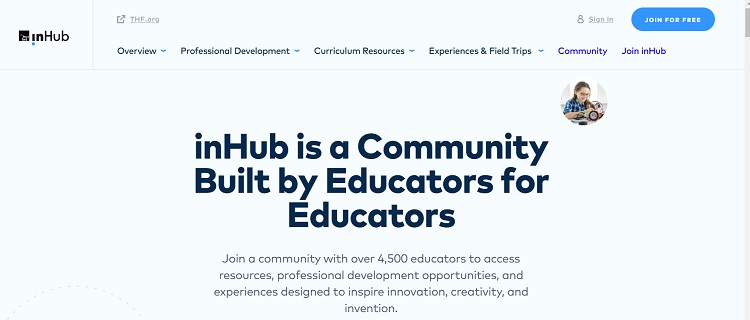
inhub website screenshot

Source: https://inhub.thehenryford.org

A good example of offering something free so people can see what a brand offers is found on inHub. Note the “Join for Free” CTA button right at the top of the page. If the full signup process is rather lengthy, brands may take action to make a free signup for a trial or download simpler. Collecting only crucial information to stay in touch, such as a first name and email address, encourages users to complete the signup.

4. Increase the Size

For a CTA not converting, increasing the size of the button might improve conversions. A mere increase of 20% in size can draw user attention and improve sales. Try making the button easier to find. Move it around, make it larger, make it smaller and see what users respond to.

Every site and every offer is slightly different. What works for one site or even page on that website, may not work for another. Testing is critical.

5. Create a Sense of Urgency

Once users leave a site, they aren’t as likely to return. They may intend to but a million other things distract them from coming back. Whenever possible, create a sense of urgency to drive conversions while having their attention.

Utilize words and phrases such as:

  • Limited time
  • Ends soon
  • X left
  • Buy now
  • Hurry

One note of caution — if the CTA says something is only available for a limited time, don’t extend that time indefinitely. Users should trust a brand to stick to its word. If the CTA or text surrounding it says there are only two hours left to get an offer, it must disappear after that time. The company can create a new offer, but it should not be the initial one.

hulu website screenshot

Source: https://www.hulu.com

Hulu adds a CTA to the top bar of their site to really drive home the point that the offer is for a limited time. They even list the end date so users know exactly when the cost goes up. If one looks at the CTA buttons further down the page, they’ll see in small letters it shows how much the price is going up and why users shouldn’t delay in signing up.

6. Add White Space

One big mistake people make with CTAs is not adding enough white space around them. A bit of negative space sets a button apart and shows the user it’s something important they should pay attention to.

For mobile users, adding white space makes it easier to click on the button on a smaller screen. Since over half of internet traffic is now via mobile devices, it makes sense to create a responsive design.

Figuring Out Why a CTA Is Not Converting

The CTA may not be converting for numerous reasons. Running tests to figure out what works with the brand’s audience is the number one way to improve conversions. Try changing the color of the button, the size, the placement and even the wording. With a bit of trial and error, designers will find the best combination for their audience and wind up with a high-converting landing page that drives growth.


Eleanor Hecks is editor-in-chief at Designerly Magazine. Eleanor was the creative director and occasional blog writer at a prominent digital marketing agency before becoming her own boss in 2018. She lives in Philadelphia with her husband and dog, Bear.

What Emerging IoT Trends Should Businesses Pay Attention To?

You must pay attention to the latest innovations coming to the Internet of Things. IoT devices complement many other advanced technologies, so people are starting to combine them. These emerging IoT trends stand to revolutionize how businesses use the technology.

How Are IoT Trends Evolving Technology?

Emerging IoT trends are evolving technology into something entirely new. It combines with the most advanced, popular innovations to create something never before seen. The IoT as you know it may soon change forever.

In 2022, IoT startups secured the highest amount of funding they had received since 2012. They collected an average of nearly $16 million, a 30% increase from 2021. People saw the emerging trends of 2023 and decided they needed to be a part of the technological innovation.

The market for IoT devices dipped over 20% in 2022. However, they still secured incredibly high funding because investors believed the upcoming trends would revolutionize the technology. How much money they receive gives businesses a direct insight into its future. In this case, it is a clear indication of success.

What Are the Emerging IoT Trends?

The emerging IoT trends offer new takes on traditional devices. While some incorporate other well-known technologies, others create something entirely new.

  1. Automation

Many emerging trends combine IoT devices with other advanced technologies. Automation has been a massive success for many businesses and is among the most popular. Although it has existed for a few years, it is only starting to pick up speed.

Many companies use IoT in robotic automation. For example, FedEx has used it for five years to organize and distribute mail, replacing traditional carriers. Most businesses rely partially on e-commerce sales, so they would benefit from technology that can package, label and ship products.

Even if you do not ship items to customers, you should pay attention to this trend because it has many real-world uses. No matter your industry, you can automate some of your responsibilities with IoT devices. It could streamline your processes, increasing accuracy and profit.

  1. Artificial Internet of Things

Artificial intelligence in IoT — what people call AIoT — is one of the latest IoT trends. It combines artificial intelligence with traditional IoT technology. However, the extent of its presence differs depending on the device’s purpose.

Incorporating AI into IoT allows businesses to rapidly analyze data, make accurate predictions and run things smoothly. The simplest form of AIoT uses an algorithm to process information, while the more advanced version makes the devices operate independently.

Much of the buzz around it comes from the potential for peer-to-peer communication where each IoT device interacts with others. They already have a constant connection to the internet, so establishing one between a group of them is a minor leap.

  1. Asset Tracking

A business owner is no stranger to supply chain delays and surprises, considering everything from a bad storm to a foreign conflict can disrupt things. IoT asset tracking can give immediate updates on an item’s location.

You can use remote IoT tracking to find packages in real time, no matter where you are. It improves traceability, helping you reduce losses. All you have to do is put a device on a pallet to keep track of its whereabouts the entire time it is in transit.

On top of tracking where products are, IoT asset tracking can tell you if they break in transit. The sensors can detect minor changes and alert you to potential damage. This technology can even improve your brand’s reputation since you can resolve the issue before your customer receives a defective item.

  1. Digital Twins

A digital twin is a virtual copy of a physical object. Basically, it is an advanced version of traditional simulations. You use IoT sensors to map whatever item you want to visualize to monitor it in real time or simulate it after a change.

A digital twin can handle thousands of variables simultaneously, so you can use it for complex situations. For example, you could simulate how your new packaging design will function. You can use a digital twin instead of repeatedly building and testing prototypes.

It is also helpful for visualization. A digital twin can help you if you want to keep track of something remotely. Since it is a replica of the item in a digital format, you can monitor it even if you are not close to it. If something on the actual object begins to malfunction, you can consult the copy to understand how to troubleshoot things.

  1. New Regulations

Regulations have begun to appear because of the rapid appearance of new IoT trends. Businesses should be aware of each new law to protect themselves as they adopt the technology. Regulatory bodies want to set ground rules as more industries use it.

For instance, the European Commission accepted a data protection act in 2023. In the United States, the Federal Communications Commission proposed mandatory cybersecurity labels for IoT devices in the same year.

What Can Businesses Do to Prepare?

Businesses can analyze their needs to prepare for upcoming IoT trends. Once they identify where to use the technology, they can figure out how to implement it. While AIoT may be the best choice for one company, automation may be vital for another, depending on their individual needs.

Whatever they choose, it is a good idea to act now since the technology is only getting bigger. In 2023, the amount of IoT devices reached 15.14 billion globally. Experts expect the number will continue to rise and reach nearly 29.5 billion as early as 2030. They can take advantage of the growth if they prepare for it.

Follow the Trends

Businesses can benefit from paying attention to emerging IoT trends revolutionizing technology. You could use it to automate your e-commerce packaging, test new product prototypes digitally or predict supply chain delays. Ultimately, it could improve your company’s operations and elevate your digital processes.


Eleanor Hecks is editor-in-chief at Designerly Magazine. Eleanor was the creative director and occasional blog writer at a prominent digital marketing agency before becoming her own boss in 2018. She lives in Philadelphia with her husband and dog, Bear.

Next-Level Campaigns: How AI Supercharges Customer Acquisition and Retention

Customer acquisition and retention are necessary for businesses to succeed. Acquiring new customers allows companies to grow, but they must also retain them to guarantee brand loyalty and sustainable profitability.

Consumers are constantly shifting their preferences and behaviors, making it challenging for companies to reach target audiences with effective campaigns. However, with artificial intelligence (AI) by your side and the right data, you can better understand, attract and retain your customer base.

A Brief Overview of How AI Works

AI helps marketers by analyzing large amounts of data in a shorter time. Companies have always used data to learn about their customers. Yet, before AI came into the picture, businesses used traditional marketing methods that often relied on broader information.

Today, the global AI market comes to $142.3 billion, and companies use it to identify specific customer behaviors, preferences and patterns. Marketers create more targeted and personalized campaigns using algorithms to sift through data sources like website visits, social media interactions and purchase histories.

This information provides a deep view of customers’ habits and what they like. With these insights, businesses craft messages and offers that resonate directly with individual users. As a result, potential customers are more likely to engage because those messages capture their attention.

Essentially, AI eliminates much guesswork and ensures you use your resources efficiently to reach the right audience on time.

Personalized Marketing Messages and Recommendations

AI takes personalization to a whole new level by understanding each customer. One way it personalizes marketing is through product recommendations.

For instance, when users visit an e-commerce site, AI analyzes their browsing behavior, past purchases and abandoned carts. It uses this information to suggest products they are likely to buy. However, this method requires more than showing relevant products — it also needs you to present them at the right moment in the user’s journey.

Email marketing has also benefited from AI’s personalization capabilities. Instead of sending generic newsletters, companies can now send emails that provide specific solutions to their customers’ needs. From subject lines that capture attention to content that addresses their interests, AI ensures every email feels individually crafted.

In social media advertising, AI looks at users’ interactions, likes, shares and comments to display ads that relate to their interests and values. It ensures each message caters to the individual to increase engagement and customer interest.

Optimizes Ad Campaigns

Optimizing an ad campaign has become highly sophisticated with the integration of AI. AI assists businesses in ensuring their advertising efforts are on point through various techniques:

  • Dynamic pricing: AI analyzes real-time market demand, competitor pricing and other factors to adjust ad bids automatically. This analysis ensures companies get the best value for their ad spend while maximizing visibility.
  • Audience segmentation: Instead of broad demographic groups, AI creates micro-segments based on behaviors and past interactions. This allows for highly targeted ad campaigns that cater to specific audiences.
  • A/B testing at scale: While traditional A/B testing compares two versions of an ad, AI can test multiple variations simultaneously. It analyzes which elements — like headlines, images or calls-to-action — perform the best.
  • Predictive analysis: AI forecasts how likely a particular ad is to convert based on historical data and user behavior. This predictive insight allows businesses to allocate their budgets better — pushing resources toward advertisements likely to yield higher results.
  • Multichannel optimization: AI focuses on more than one platform by evaluating the performance of ads across various channels — from social media to search engines.
  • Real-time adjustments: Market conditions and user behaviors can change rapidly. Therefore, AI-driven platforms become useful as they react in real time to tweak campaigns to adjust to these changes.

Predicts Customer Needs

AI may be able to capture data and analyze it for campaigns. However, the interesting part is that it can predict future trends by analyzing past behaviors. With its predictive capabilities, you can address customer needs before they arise.

AI achieves this by looking for patterns in your customer data. These could be things your customers have purchased or time spent on particular pages. From there, AI determines what a customer is interested in or might look for in the future.

For example, a customer who checks out athletic gear often may be interested in a new sportswear line. The company can then use this information to promote the products, instantly saving time and money from studying customers’ preferences and behaviors.

Beyond looking at individual behaviors, AI also analyzes global trends. By examining broader market patterns and predicting upcoming trends with AI, your business can always be a step ahead in its offerings.

Automates Customer Communication

Effective communication is crucial in establishing and maintaining customer relationships. Communication helps customers get answers to their questions, build trust with a brand and solve problems. However, low-priority communications often take up much of your customer support team’s time.

When AI automates simple requests, customer support can better care for customers with larger issues. For example, AI could help customers find what they want on the business’s website. Hubspot found that 78% of customer support agents use AI and automation because they say it lets them spend their time on more important aspects of their role.

One of the most popular ways companies do this is through chatbots. These tools handle numerous customer inquiries in real time, providing instant answers and solutions. AI chatbots can understand and respond to user queries. The interaction feels smooth and natural, and more customers are satisfied with the help they receive.

Using AI Marketing for Customer Acquisition and Retention

AI has certainly changed the way marketers reach and retain new customers. Whether it is through personalized messaging or product recommendations, businesses witnessed the power behind it to engage with customers in previously unimaginable ways. Pinpoint some areas where you could use AI in your business and start taking customer acquisition to another level today.


Eleanor Hecks is editor-in-chief at Designerly Magazine. Eleanor was the creative director and occasional blog writer at a prominent digital marketing agency before becoming her own boss in 2018. She lives in Philadelphia with her husband and dog, Bear.

Why Incorporating Community Service Is Vital for Modern Web Businesses

What does community service look like for modern web-based businesses? Unlike traditional mom-and-pop shops with personal customer relationships, a digital company may have various clients.

Figuring out the ins and outs of giving back to customers requires more legwork but can still help your company develop strong interpersonal relationships with clients. Laying the groundwork gives you a competitive advantage and establishes your organization as one that cares.

1. Build Strong Connections

The Edelman Trust Barometer 2023 showed a rising need for increased trust between consumers and brands. Approximately 71% of people feel being able to rely on a company to be honest is more important today than in the past.

Giving back to the world shows you care about more than just a profit. It is much more likely to instill good feelings in people than if you ignore social causes or needs. You create strong emotional ties when you make a difference in someone’s life.

2. Show You’re an Authority in Your Field

According to research, family-owned enterprises provide employment opportunities for 63% of the workforce in the United States. Hundreds of thousands of businesses emerge each year, making it increasingly challenging to find success.

How can you show you’re an authority in your field and gain customers’ confidence? Giving back to others shows you know what you’re doing and are making a profit. Give a percentage of revenue to philanthropic efforts.

Consumers who believe in the same cause will consider you when they need something you sell. An example of this type of buy-one, give-one mentality can be seen in the model of TOMS shoes. When you buy shoes, it donates a pair.

3. Create a Positive Impression of Your Company

Community service can also improve your image and help you develop a positive reputation. If you’re doing damage control from past mistakes or a catastrophe, finding ways to give back can help repair your reputation.

Remember why you started your company and the big dreams you had. What is your brand image and how do others see you? For example, are you an avid golfer? You may have started your company to serve a need such as help with putting skills. One idea is to offer free training to golfers on an aspect of their game. You could also give back to a charity for youth by hosting an event where profits go to a specific organization.

Embrace whatever cause matters most to you, whether saving the environment, protecting endangered species or helping homeless veterans. Whatever movement you participate in, post to your social media account and share how you’re giving back with your followers.

4. Keep Employees Thriving

According to the United States Bureau of Labor Statistics, the quit rate for June 2023 was 2.4%, which was nearly 4 million workers. Although competition to retain people might vary depending on where you live, you still want to keep your employees engaged and thriving.

Your employees often promote your business and its activities. They take pride in their workplace and eagerly spread the word to others. Identifying your strengths simplifies determining when and how you should give back. By working together, everyone can contribute to cultivating a company culture.

Regardless of how much the labor shortage impacts your company, you want to train and keep top workers. Investing in things they care about is a great way to retain talent.

5. Teach Customers to Be Loyal to Your Brand

Serving the online community means your company name is repeatedly mentioned in the same circles. Your target audience might see you donated to a cause they are passionate about. You may have participated in a local project and it made an impact or spurred more giving to a global cause.

They may perceive their friends buy the same product, creating an online connection. In fact, 22% of consumers say a strong sense of community is a big reason for brand loyalty. However, it goes deeper than just feeling seen and heard. Someone has to hear your name repeatedly before remembering it in the first place.

Building brand recognition takes a plan and consistent delivery. Look for ways to get the word out. However, the reason you participate in an event or offer a service should be because you care.

Even if you gain zero new customers from giving back, you should still do it because it matters. Approaching charity work with a positive attitude will likely get fresh eyes on your products and revenue from the effort.

6. Get Your Customers Like No One Else Does

Understanding the emotions and passions that drive your audience means you’re much more likely to make an emotional connection. Engaging in community service lets you connect with your customers on their level and gain insights into their priorities. Take the time to inquire about the organizations they hold dear and would appreciate your support for. Additionally, explore ways you can assist them or their loved ones.

For example, some of your customers may have vision limitations. You can find out what makes it easier for them to browse your pages and fix it. You can then offer a community service by featuring workshops for other companies and explaining what you changed and how they can repeat your efforts.

Start on Community Service Today

The best way to ramp up community service for your modern web business is to map out how you’d like to give back and start with the top ones. Allow your employees some input, try various ideas and ask customers what they think about new programs. Focus on improving your efforts over time and offering a service to make the world a better place rather than what you can get out of it as a company.


Eleanor Hecks is editor-in-chief at Designerly Magazine. Eleanor was the creative director and occasional blog writer at a prominent digital marketing agency before becoming her own boss in 2018. She lives in Philadelphia with her husband and dog, Bear.